Kief vs Hash: What’s The Difference? (Revealed)
Contents
- Main Differences Between Kief vs. Hash
- What is Kief?
- How Kief is Made
- Why Do Cannabis Plants Make Cannabinoids And Terpenes?
- Hash vs Kief: What is Hashish?
- History of Kief and Hash
- Why is Kief Stronger than Bud?
- How To Use Kief
- Mix With Regular Cannabis Products
- Cook Edibles
- Make Your Own Hash
- Moonrock Lab
- How to Make Hash from Kief
- Pollen Press
- Heat Press
- Bubble Hash
- Frequently Asked Questions
- What is the difference between kief and hash?
- How are kief and hash made?
- Which is more potent, kief or hash?
- Can kief and hash be smoked on their own?
- Can kief and hash be used to make edibles?
- What is the best way to store kief or hash?
- Wrapping Up
- Sources
Kief and hash are two of the most popular cannabis concentrates available today.
Both come from the trichomes, the most potent part of the cannabis plant, but they differ in potency, aroma, flavor and texture.
If you’re a new cannabis concentrate enthusiast, you’ll learn everything you need to know about kief vs. hash, from potency and history to how to extract kief and make your own hash.
If you’re unsure what to do with the powder in your grinder, here’s a crash course.
Legal note: This guide is for adults 21+ where cannabis is legal. In the US, cannabis remains a Schedule I drug under federal law, apart from the narrow change in a federal rule published April 28, 2026. State laws on concentrates differ.
Main Differences Between Kief vs. Hash
The main difference between kief vs. hash are:
- Kief is sifted straight from the plant, whereas hash is that resin pressed or processed into a solid.
- Kief is usually stronger than the flower it came from, and hash is often stronger still, depending on how it’s made.
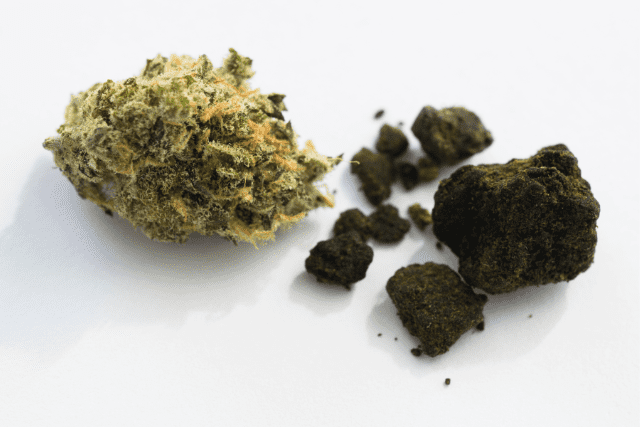
- Kief looks like a pile of weed dust, whereas hash has a pasty, waxy, or oily consistency.
What is Kief?
Kief is also known as “dust,” “dry sift,” or “chief.”
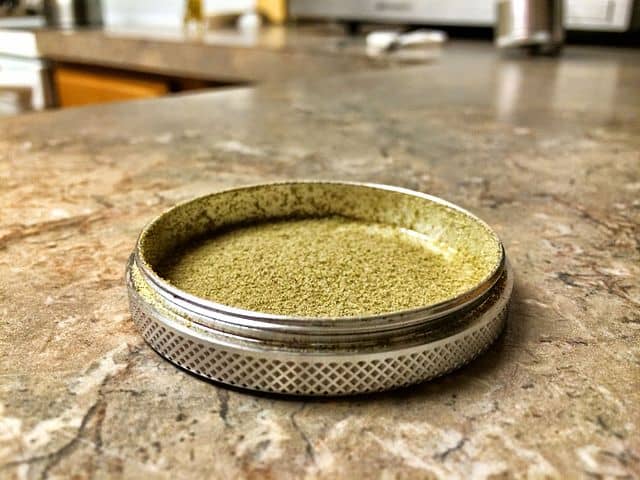
It’s a golden-green, crystal-like powder made of trichomes from cannabis plants, and trichomes are where most of a bud’s potency comes from.
To put it into perspective, flower is often described as around 15-25% THC. NIDA reports that seized cannabis averaged about 16% THC in 2022, while dispensary flower and concentrates can top 40%.
Kief packs trichomes together, so it’s usually stronger than the flower it came from. Exact numbers vary widely by plant and method.
In its natural form, kief is a collection of trichomes, the hair-like growth you see on cannabis buds and leaves. More specifically, it’s a collection of resin glands that produce the active cannabis compounds in the plant.
How Kief is Made
Kief is collected by sifting dried cannabis so the trichome heads fall away from the plant material. It looks like a light green to brown powder, depending on its purity and the strain.
To make your own kief, you’ll need a herb grinder with a fine mesh screen. Grind dry cannabis flower in the top chamber as usual. The trichomes fall through the screen and collect in the bottom chamber, mostly free of plant material.
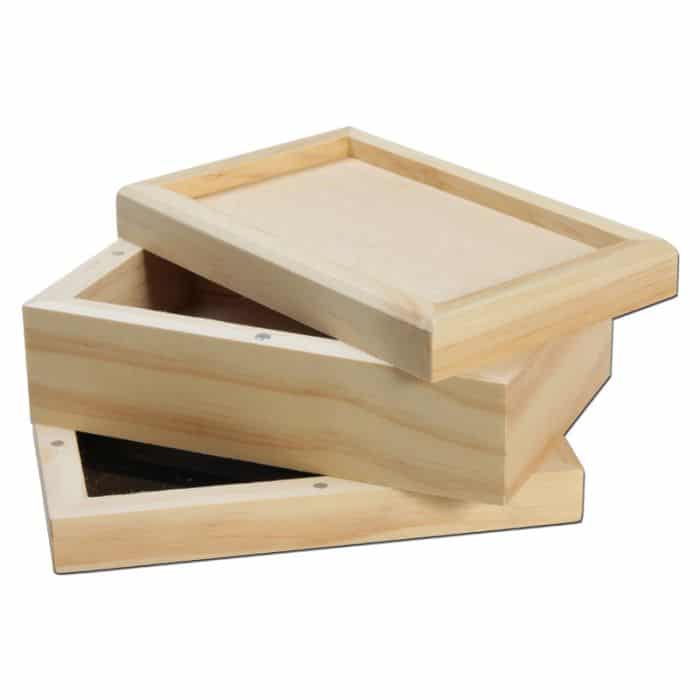
For larger amounts, people use a box with fine screens, called a kief box, kief catcher or pollen box. Finer screens and more careful sifting give a purer “dry sift” made mostly of trichome heads.
Kief is stronger than regular flower, so start with a small amount until you know how it affects you.
Why Do Cannabis Plants Make Cannabinoids And Terpenes?
Cannabis plants don’t make cannabinoids and terpenes for people. Scientists think the sticky resin in trichomes mainly helps protect the plant, for example from insects, plant-eating animals and stress, though the exact roles are still being studied.
Terpenes are what give each plant its aroma and flavor.
Hash vs Kief: What is Hashish?
Hash is made by collecting trichomes from the cannabis plant and pressing them into a solid block or paste. These trichomes are the resinous glands that make cannabis sticky and appear like it’s been dusted in sugar.
The process of making hashish varies, and so do the names. Butane hash oil (BHO), for example, isn’t pressed kief at all: it’s an extract made by washing cannabis with butane solvent.
Never try solvent extraction at home. Butane is extremely flammable, and a Colorado study found a rise in serious burn injuries from hash oil production after the state loosened its marijuana laws.
But hash is more than just potent: it has a unique aroma and flavor from the terpenes in the trichomes. Depending on the strain of cannabis used and the production method, pure hashish carries various aromas and flavors, from earthy and spicy to fruity and floral.
In short, hash turns loose cannabis resin into a solid form you can smoke or vaporize, or use in edibles.
History of Kief and Hash
People have likely used cannabis resin for thousands of years, and written records of hashish in the Middle East and North Africa go back many centuries.
But the oldest extraction method, hand rubbing, is attributed to folks from Nepal and areas in North India. Rubbing live buds by hand leaves sticky resin on the palms, which is collected as hash. This hand-rubbed hash is known as charas.
In the late 13th century, Marco Polo’s travel account brought tales of the Persian assassins to Europe; later writers linked their name to hashish, though historians debate that story. Hash became better known in Europe in the 1800s, after Napoleon’s campaign in Egypt.
Hash became popular in the West in the 1960s and 1970s, when travelers brought it home from Asia and North Africa. Today, adults can buy kief and hash at licensed stores in places where cannabis is legal, under local purchase limits.
Why is Kief Stronger than Bud?
Kief is made up of the trichomes that cover the surface of the cannabis plant. These little resinous glands are what give cannabis its special effects, including the bud.
When you smoke kief, you get a higher dose of cannabinoids per pinch than with the same amount of bud.
Think about it like this: compare an espresso shot to a cup of coffee. They both have caffeine, but the shot will hit you harder and faster. Such is the case with kief.
The difference comes from concentration. Kief has much less leaf and flower material per gram, so more of what you inhale is resin.
Ultimately, pure kief is mostly trichome heads, while a bud is mostly plant tissue with trichomes on the surface. That’s why kief hits harder, so use less.
How To Use Kief
Mix With Regular Cannabis Products
One of the most common ways to use kief is to sprinkle it on top of your bud before a smoke sesh. This is sometimes called crowning a bowl, and it adds an extra kick. A small pinch goes a long way.
Cook Edibles
Another way to use kief is to make edibles. Kief is not already decarboxylated: like flower, it holds mostly THCA, which only turns into THC when heated. Decarb it gently in the oven before mixing it into butter or oil.
Kief edibles can be very strong, and edibles take longer to kick in than smoking. Start with a small dose, wait before taking more, and store edibles away from children and pets.
Make Your Own Hash
Furthermore, you can make hash out of kief. All it takes is compressing your kief into a solid block, and you have some homemade hash.
Moonrock Lab
You can also make moon rocks with kief. Marijuana moon rocks are buds coated in oil and then rolled in kief, which makes them very potent.
How to Make Hash from Kief
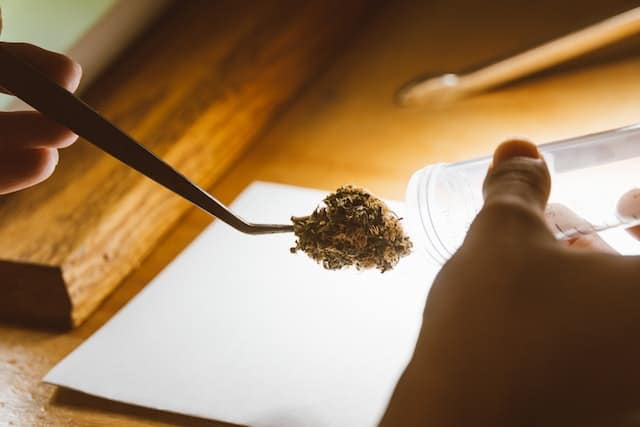
First off, you’re going to need some kief. You can collect this yourself with a kief catcher or buy a pre-made kief from your local dispensary.
Pollen Press
Once you’ve got your kief, you can start cooking the hash. The easiest method is using a pollen press. Load your pure cannabis trichomes kief into the press, then twist the end until it’s compressed into a solid block.
Heat Press
Another method is to use heat and pressure to melt the kief together. Some people use a hair straightener and parchment paper: place the kief between two sheets of parchment and press for a few seconds. The resin softens and sticks together into a solid piece.
The plates get very hot, so use heat-resistant gloves and keep the straightener away from anything flammable.
Bubble Hash
You can make bubble hash with ice water instead of solvents. It gets its name from the way good bubble hash bubbles when heated.
Break the cannabis into small pieces and put it in a mesh bag in a bucket of ice-cold water. Stir gently for several minutes so the cold, brittle trichomes break off. Then pour the water through fine filter bags to catch the trichomes, and dry the hash fully before storing it.
Frequently Asked Questions
What is the difference between kief and hash?
Kief is a collection of trichomes that have been separated from the cannabis plant, while hash is a concentrated form of kief that has been further processed and compressed.
How are kief and hash made?
Kief is typically collected by sifting cannabis through a mesh screen or grinder, while hash is made by pressing kief with heat and pressure, rubbing live buds by hand, or separating trichomes in ice water. Solvent extracts like BHO are made differently and should never be made at home.
Which is more potent, kief or hash?
Both are much stronger than flower. Pressed hash and kief can be similar, while refined hash and solvent extracts are often stronger. Exact THC levels vary with the strain and the method, so check the label.
Can kief and hash be smoked on their own?
Yes, kief and hash can be smoked on their own using a pipe, bong, or joint. They can also be added to other cannabis products to increase their potency. If you've pressed your own block and want to learn how to smoke hash specifically, there are a few extra tips on pipes, bowls, and joints worth knowing.
Can kief and hash be used to make edibles?
Yes, but decarboxylate them with gentle heat first, then infuse them into butter or oil. Edibles made this way can be very strong, so start with a small dose.
What is the best way to store kief or hash?
Kief and hash should be stored in an airtight container in a cool, dark place to preserve their potency and flavor. Glass jars or silicone containers work well. Keep them out of reach of children and pets, and avoid storing them in direct sunlight or in areas with high humidity or temperature fluctuations.
Wrapping Up
Kief is loose trichome powder, and hash is that resin pressed or processed into a solid. Both are much stronger than flower and have a long history.
The main differences come from how they’re made. Whichever you choose, start small and keep it legal.
NIDA notes that frequent, heavy use is linked to cannabis use disorder, and stronger products make it easier to take in a lot of THC.
Sources
- Cannabis (Marijuana), National Institute on Drug Abuse
- Decarboxylation Study of Acidic Cannabinoids, Cannabis and Cannabinoid Research (PubMed)
- Butane Hash Oil Burns Associated with Marijuana Liberalization in Colorado, Journal of Medical Toxicology (PMC)
- Schedules of Controlled Substances: Rescheduling of Food and Drug Administration Approved Products Containing Marijuana From Schedule I to Schedule III, Drug Enforcement Administration (Federal Register)