Fan Leaves vs Sugar Leaves: Key Differences and Roles in Cannabis Cultivation
Contents
- Key Takeaways
- Basics of Cannabis Anatomy
- Understanding Fan Leaves and Sugar Leaves
- Roles in Growth and Photosynthesis
- Importance in Cultivation and Harvesting
- From Vegetative Stage to Flowering
- Trimming Techniques and Harvesting Process
- Nutritional and Protective Properties
- Pest Deterrence and Disease Prevention
- Essential Nutrients and Photosynthesis Process
- Utilization of Leaves Post-Harvest
- Creating Edibles and Concentrates
- Topical Applications and Other Uses
- Cannabinoid Profiles and Consumption Methods
- Comparing THC and CBD Levels in Leaves
- Different Methods of Consuming Leaves
- Frequently Asked Questions
- What are the differences between fan leaves and sugar leaves?
- Are sugar leaves potent enough to be used in edibles?
- What are the implications of leaving sugar leaves on buds during the drying process?
- How does trimming sugar leaves during the flowering stage affect plant growth and yield?
- At what stage do sugar leaves typically begin to develop on cannabis plants?
- What are the benefits of keeping or removing fan leaves during the flowering phase?
- Sources
Fan leaves and sugar leaves may look similar, but they serve different roles in cannabis cultivation. Fan leaves are larger and capture light for the plant. Sugar leaves are smaller, grow out of the buds, and are coated in resin-producing trichomes.
Knowing the difference helps with harvesting and processing. Fan leaves have little resin and are often composted, while sugar leaves are trimmed and saved for edibles or concentrates.
Key Takeaways
- Fan leaves and sugar leaves serve different functions.
- Sugar leaves are valuable for their cannabinoid content.
- Proper handling of leaves impacts cannabis quality and yield.
Basics of Cannabis Anatomy
Cannabis plants have different types of leaves that play different roles. Understanding them helps you take better care of your plants.
Understanding Fan Leaves and Sugar Leaves
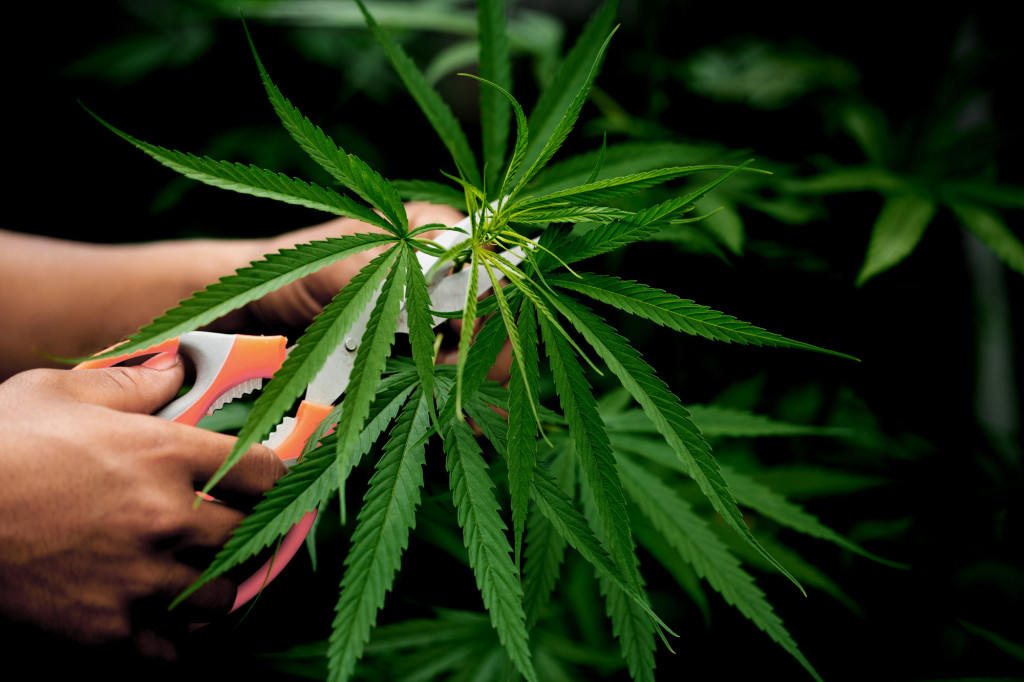
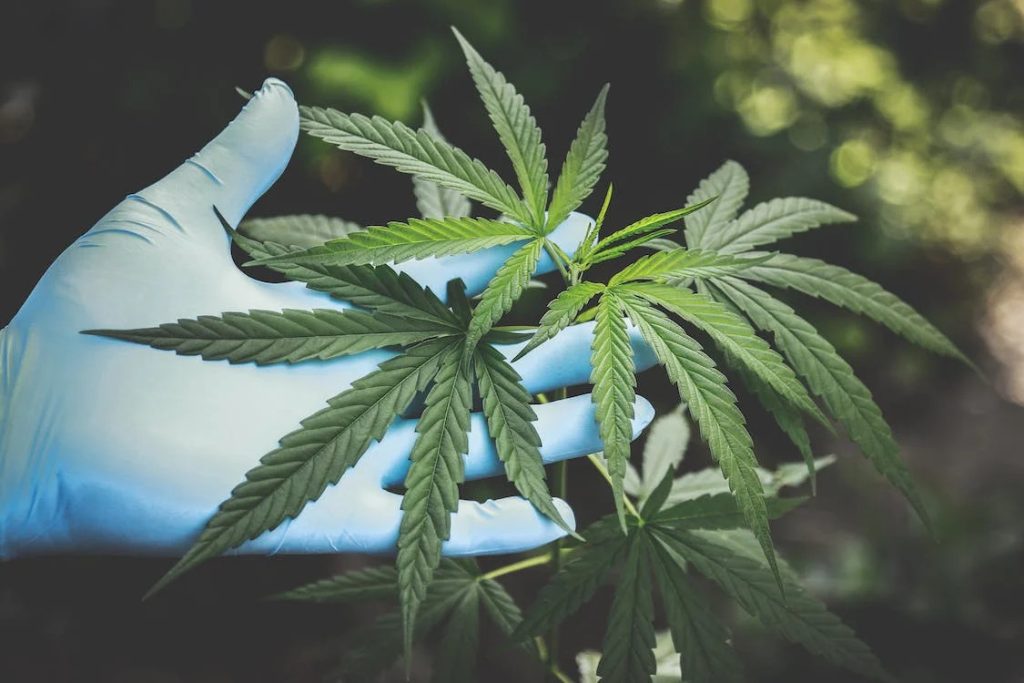
Fan leaves are the large, broad leaves you often see on the cannabis plant. They have multiple fingers that fan out from the stem. These leaves are crucial for photosynthesis, turning sunlight, carbon dioxide, and water into energy.
Sugar leaves are small leaves that grow from within the buds. They are coated with trichomes, the tiny glands where cannabinoids and terpenes are made.
Roles in Growth and Photosynthesis
Fan leaves are the plant's main solar panels. They capture light and turn it into the sugars that fuel growth. They also release water vapor through tiny pores, which helps pull water and nutrients up from the roots.
Sugar leaves also photosynthesize, but their main value to growers is their resin. A review in Frontiers in Plant Science notes that stalked glandular trichomes are concentrated on the flowers' calyces and bracts and extend onto the sugar leaves.
Importance in Cultivation and Harvesting
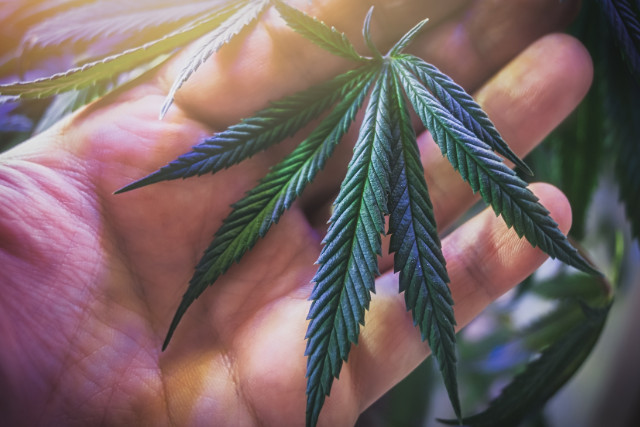
Fan leaves and sugar leaves matter at different times. Here is how they change from the vegetative stage to the flowering stage, and how they affect trimming and harvest.
From Vegetative Stage to Flowering
During the vegetative stage, fan leaves are the largest leaves on the plant. They absorb light and convert it into energy through photosynthesis. This helps the plant grow strong and healthy.
In flowering, fan leaves keep feeding the plant but can shade lower bud sites. Removing some of them can improve light penetration and airflow.
Sugar leaves appear with the flowers. They carry far more trichomes, and so more cannabinoids and terpenes, than fan leaves.
Trimming Techniques and Harvesting Process
At harvest, start by removing the large fan leaves. They have little resin and are less valuable.
Next, trim the sugar leaves carefully. They sit close to the buds and are covered in trichomes, so handle them gently and save the trim.
Well-trimmed buds dry more evenly, which lowers the risk of mold during drying and curing. Sharp, clean scissors and gentle handling make a big difference.
Nutritional and Protective Properties
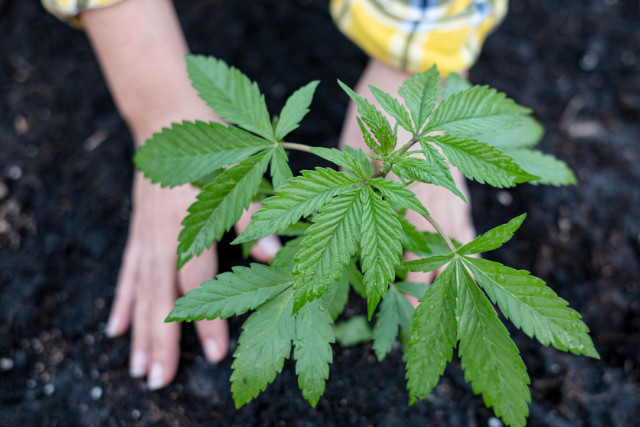
Fan leaves are a good window into plant health.
Pest Deterrence and Disease Prevention
Check fan leaves often, especially the undersides, because that is where many pests and early disease signs show up first.
Healthy fan leaves signal a vigorous plant. Removing yellowing or damaged leaves and keeping the canopy airy helps limit disease spread.
Essential Nutrients and Photosynthesis Process
Fan leaves contain chlorophyll, which captures light for photosynthesis.
They also show the plant's essential nutrients status. Mobile nutrients like nitrogen, phosphorus, and potassium move from older leaves to new growth when supplies run low, so older fan leaves are often the first to show a deficiency. Watching them helps you catch problems early.
Utilization of Leaves Post-Harvest
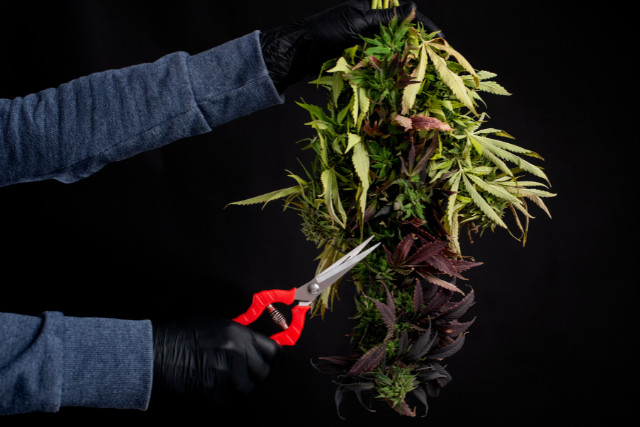
Leaves can be used in several ways after harvest, including edibles, concentrates, and topicals. Sugar leaves are the better choice for most of them.
Creating Edibles and Concentrates
Sugar leaves contain useful amounts of THC or CBD, though less than buds. They are often used for edibles by first making cannabutter or cannabis oil.
You can also make hash from sugar leaf trim. Cannabis tinctures are made by soaking plant material in alcohol. Alcohol is flammable, so keep it away from open flames and heat.
Edibles take longer to kick in than smoking, so start with a small amount and wait before taking more. Store them away from children and pets: NIDA warns that accidental ingestion of edibles by children can lead to hospitalization.
Topical Applications and Other Uses
Fan leaves are less potent than sugar leaves, but some growers still use them in balms and salves. Evidence that cannabis topicals help skin conditions or sore muscles is limited.
Some people steep leaves to make cannabis tea. THC and CBD don't dissolve well in water, so tea is usually weak unless you add a fat such as milk or butter.
Cannabinoid Profiles and Consumption Methods
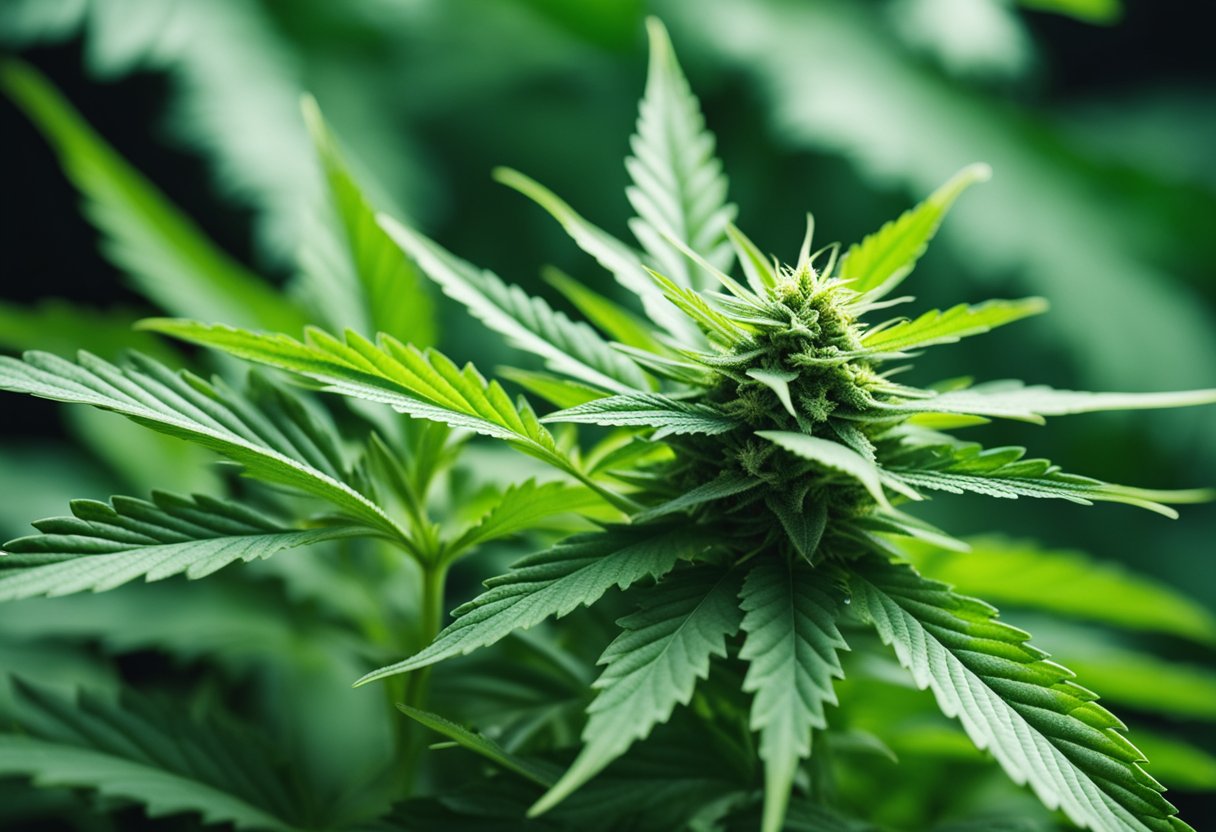
Fan leaves and sugar leaves differ in their cannabinoid content and in how people use them.
Comparing THC and CBD Levels in Leaves
Sugar leaves generally contain more THC and CBD than fan leaves because they carry far more trichomes. Fan leaves have few trichomes and low cannabinoid content.
| Leaf Type | THC Content | CBD Content |
|---|---|---|
| Sugar Leaves | Higher | Higher |
| Fan Leaves | Lower | Lower |
Fan leaves still hold some cannabinoid value but are less potent than sugar leaves.
Different Methods of Consuming Leaves
Sugar leaves can be smoked, but the smoke tends to be harsher than buds; vaping is usually smoother. Dry them well before use. Sugar leaves offer more flavor and potency than fan leaves.
To make edibles, decarboxylate leaves first. Gentle oven heat converts THCA and CBDA into active THC and CBD.
You can also infuse leaves into alcohol or coconut oil to make tinctures or topicals.
Cannabis is for adults 21+ where it is legal, and home growing is allowed only in some states. Under federal law, marijuana outside FDA-approved drugs and state medical marijuana licenses is still a Schedule I controlled substance, so check your state's rules before you grow.
Frequently Asked Questions
Here are answers to common questions about fan leaves and sugar leaves.
What are the differences between fan leaves and sugar leaves?
Fan leaves are larger and grow from the main stems. They are vital for photosynthesis. Sugar leaves are smaller and grow from within the buds. They have trichomes, making them sticky.
Are sugar leaves potent enough to be used in edibles?
Yes, sugar leaves can be used in edibles. Their trichomes contain cannabinoids, though they are less potent than buds.
What are the implications of leaving sugar leaves on buds during the drying process?
Some growers leave sugar leaves on to slow drying and trim afterward. Untrimmed buds can taste harsher and look less tidy.
How does trimming sugar leaves during the flowering stage affect plant growth and yield?
Sugar leaves are usually trimmed at harvest, not during flowering. Mid-flower pruning normally targets some fan leaves to improve airflow and light, and removing too many can stress the plant.
At what stage do sugar leaves typically begin to develop on cannabis plants?
Sugar leaves start to appear during the flowering stage. They grow around the buds as the plant begins to develop flowers.
What are the benefits of keeping or removing fan leaves during the flowering phase?
Keeping fan leaves can support photosynthesis and overall health. Removing some fan leaves can increase light exposure for lower buds. Balance is key to avoiding stressing the plant.
Sources
- Cannabis Glandular Trichomes: A Cellular Metabolite Factory, Frontiers in Plant Science (via PubMed Central)
- Cannabis (Marijuana), National Institute on Drug Abuse
- Rescheduling of FDA-Approved Products Containing Marijuana From Schedule I to Schedule III, Federal Register