9 Best Landrace Seeds You Need To Know About
Contents
- Understanding Landrace Marijuana Strains
- Characteristics of Landrace Cannabis
- The Best Landrace Strains You Should Know
- 1. Durban Poison
- 2**.** Hindu Kush
- 3.Afghan
- 4. Wild Thailand
- 5. Acapulco Gold
- 6. Thai Stick
- 7. Maui Wowie
- 8. Malawi
- 9. Alien Technology
- Landrace Indica vs. Sativa Strains: A Comparative Overview
- Tips for Growing Landrace Strains
- Conclusion
- Frequently Asked Questions
- What makes landrace strains special?
- Are landrace seeds difficult to grow?
- Sources
Most cannabis sold today comes from modern hybrids. Landrace strains are the older, regional varieties that many of those hybrids came from.
This guide explains what landraces are and covers nine strains sold as landrace or landrace-descended seeds. Most of these are breeder lines, often feminized, so they are not identical to the original wild-grown plants.
Legal note: This guide is for adults 21+ where home growing is legal. Cannabis remains illegal under US federal law for nonmedical use (Schedule I), and state rules differ, per the Congressional Research Service.
The new federal hemp definition in P.L. 119-37 excludes viable seeds from plants above 0.3% total THC from hemp, with parts of that change taking effect December 11, 2026, per CRS. Check your state's law before buying seeds.
Understanding Landrace Marijuana Strains
Landrace cannabis strains are the ancient, purebred cultivars of cannabis that have evolved naturally in their native regions for centuries.
Unlike modern hybrids, they were shaped mostly by local farmers saving seed in one region over many generations.
Landrace cannabis plants can be likened to heirloom vegetables or heritage livestock breeds in agriculture. They are indigenous to specific geographic regions and have adapted over time to thrive in the local climate, soil, and environmental conditions.
These strains developed distinct growth patterns, aromas and cannabinoid profiles shaped by their environment and local selection.
Landrace seeds often bear the names of the places they originate from, such as “Afghani,” “Thai,” or “Malawi Gold,” reflecting their strong ties to their geographic roots.
Characteristics of Landrace Cannabis
- Genetic Value: Landraces are prized by breeders as a source of traits, though wild-collected seed can still vary from plant to plant.
- Unique Flavors and Aromas: Each landrace strain carries distinct flavor profiles and aromatic qualities that are specific to its region of origin. These flavors often reflect the terroir of the strain, influenced by the local soil, climate, and growing conditions.
- Cannabinoid Profiles: Landrace strains typically have cannabinoid profiles that differ from modern hybrids. Some may contain unique combinations of cannabinoids and terpenes, resulting in effects that are distinct from mainstream strains.
- Adaptability: Landraces adapted to their native environments, so they often do best in conditions that resemble home.
The Best Landrace Strains You Should Know
Are you thinking of buying Landrace cannabis seeds? Here are some strains that you should know, including their defining characteristics.
1. Durban Poison
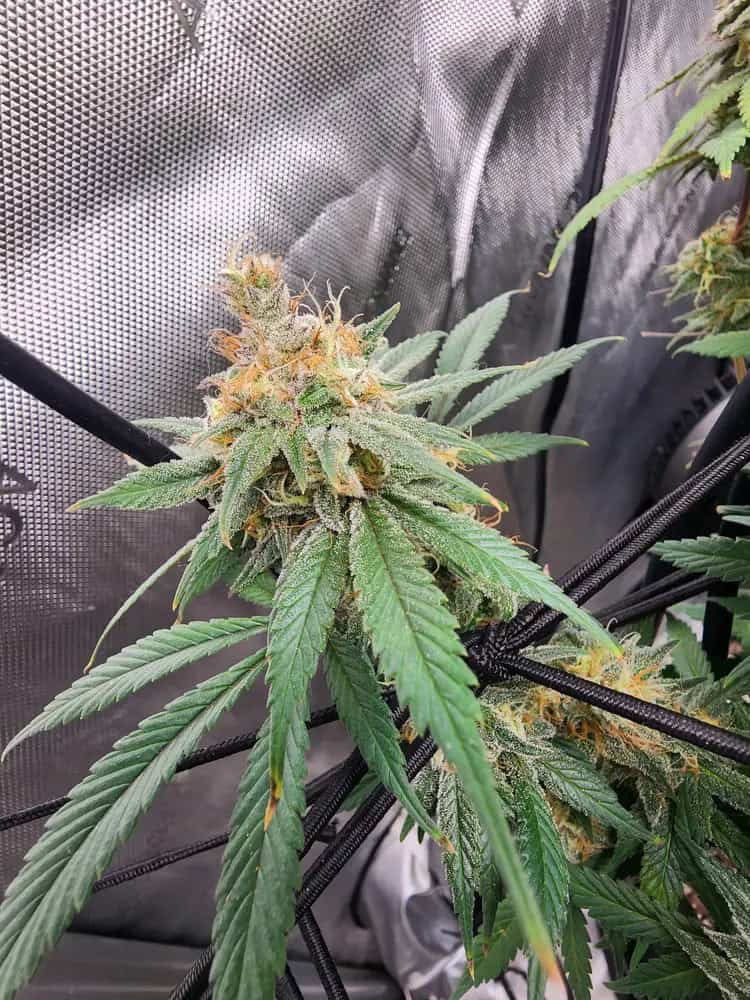
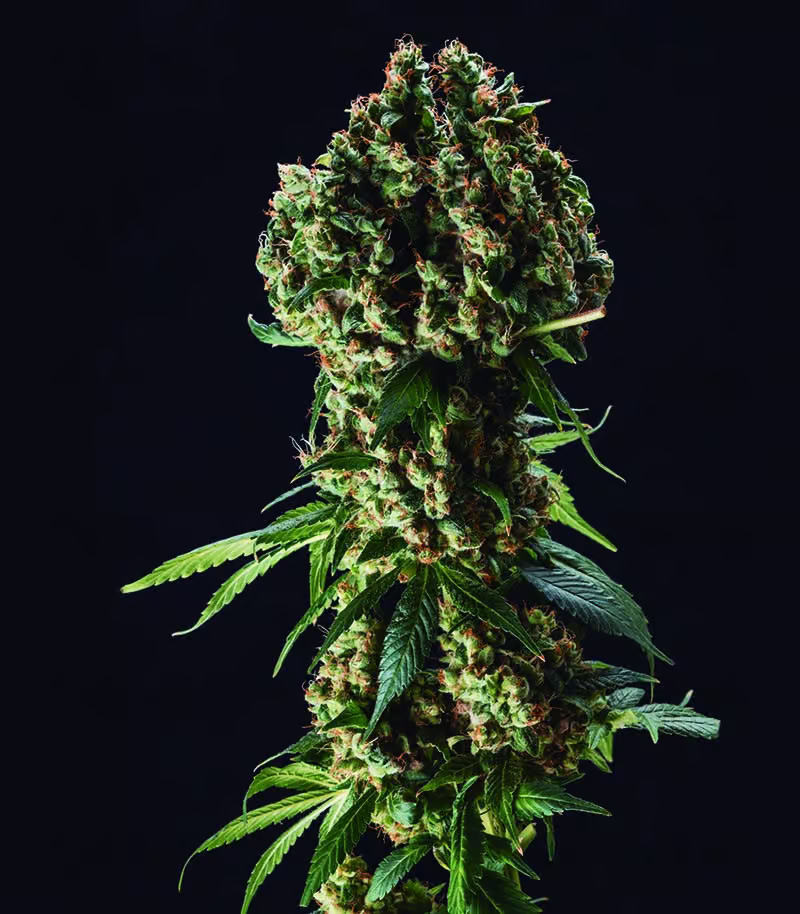
Photo from ILGM
Durban Poison, a sativa descended from South African landrace genetics, is a favorite among connoisseurs.
Its name points to Durban, South Africa. It is known for resinous buds and a sweet, anise-like aroma.
Durban Poison grows tall outdoors, so indoor growers usually train it to control height.
The feminized version produces almost all female plants. It flowers faster than many sativas, about two months indoors, with an early-fall harvest outdoors.
2**.** Hindu Kush
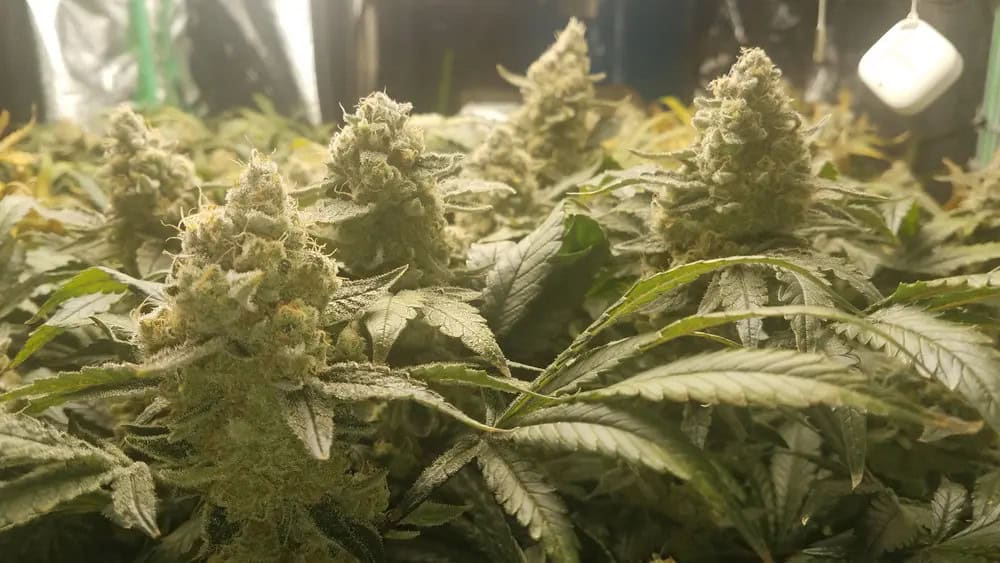
Photo from ILGM
One of the most popular landrace picks, Hindu Kush is a classic indica.
Hindu Kush takes its name from the Hindu Kush mountains of Afghanistan and Pakistan. The harsh mountain climate produced a hardy, resinous plant.
Hindu Kush is THC-dominant with little CBD. It has a long history in hash production and a reputation for relaxing effects.
Plants from these landrace seeds typically begin flowering with reduced light exposure, either in the fall or when you manipulate indoor light cycles. For successful Hindu Kush growth, following germination instructions is advised.
Hindu Kush thrives in a climate resembling its homeland: dry and warm. It tends to develop dense, bushy, and compact plants, though they can grow larger given sufficient space.
3.Afghan
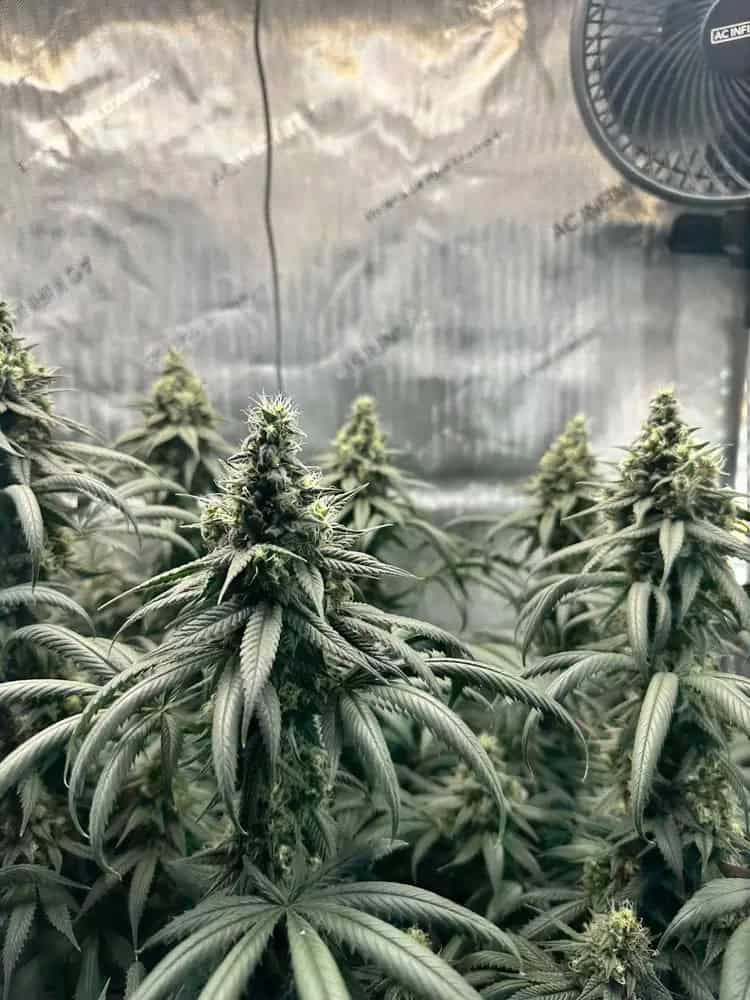
Photo from ILGM
Deeply rooted in the rugged terrain near the Afghanistan-Pakistan border within the Hindu Kush mountain range, this landrace cannabis strain is an offspring of the renowned Afghani landrace parent strain.
This landrace strain is celebrated for its role as the ultimate source of sticky black Afghani hash, charas, and various other forms of hashish. Afghan Kush buds flourish into substantial flowers, boasting a remarkable resin content.
Cultivating Afghan seeds is typically straightforward, making it an excellent choice even for novice growers. These seeds are descendants of plants that thrive in mountainous regions, endowing them with remarkable resilience and adaptability.
Afghan plants are known as reliable producers, with roughly two months of indoor flowering.
4. Wild Thailand
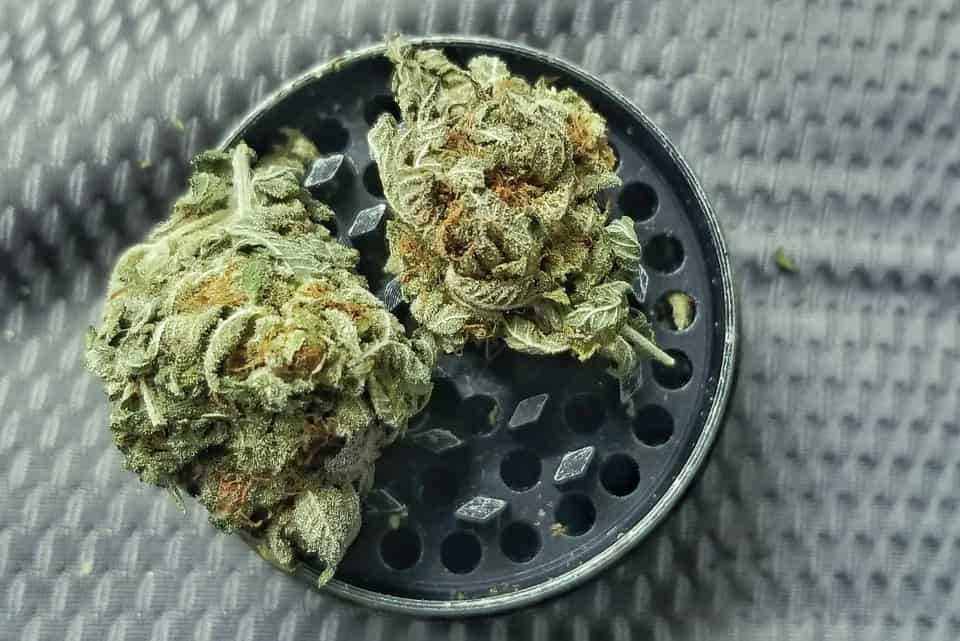
Next on our list of the best landrace strains is one with a name that’s an obvious reference to where it’s from. It’s from Thailand, specifically, the island of Koh Chang.
If you like pure landrace sativa strains, Wild Thailand is for you. It is a THC-dominant sativa with a reputation for a euphoric high.
Expect a captivating blend of sweet, earthy, and berry aromas, complemented by subtle hints of herbs and pine. When it comes to flavor, it offers a woody and sweet profile with a touch of sour berries that linger delightfully on the palate.
Wild Thailand is genetically predisposed to grow tall and develop numerous secondary branches.
It gets tall indoors and can grow far taller outdoors, so plan for height control.
5. Acapulco Gold
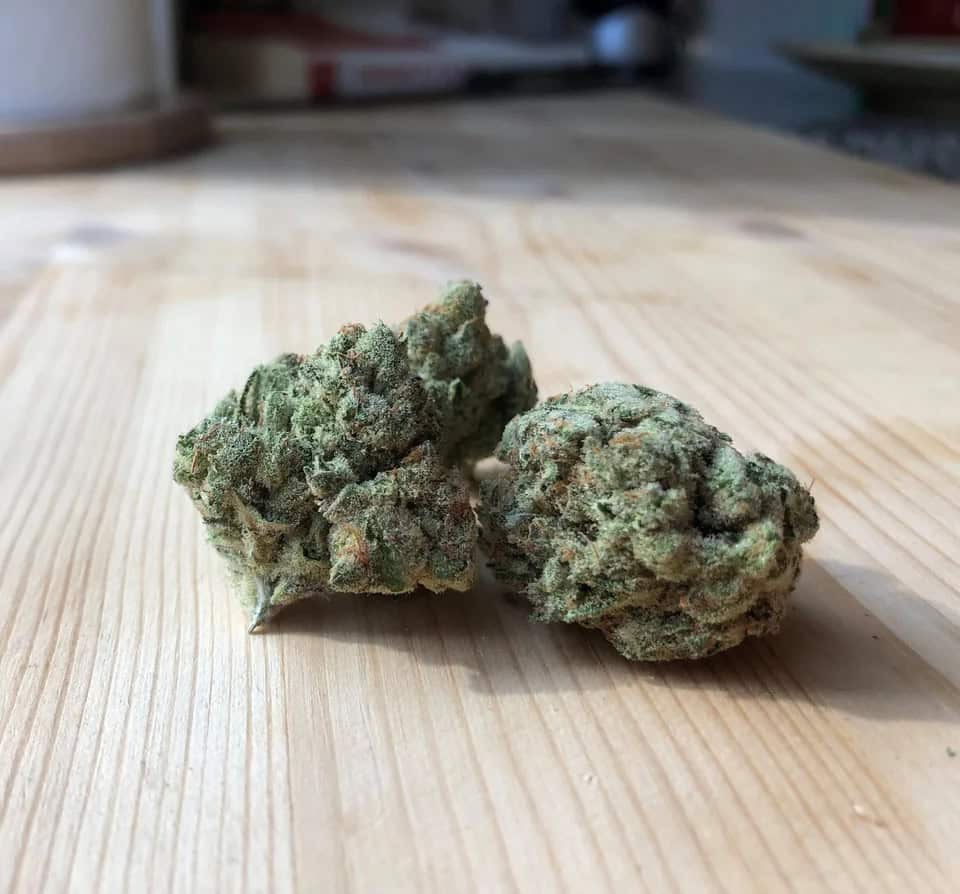
Another crowd favorite, Acapulco Gold traces its name to Acapulco, Mexico. Seed versions sold today are breeder lines, usually sativa-leaning.
Acapulco Gold boasts a mellow yet euphoric high, igniting creativity, happiness, and profound relaxation. Typical of Sativas, it uplifts the mood and injects a much-needed burst of energy.
Acapulco Gold landrace seeds typically thrive outdoors or in greenhouses, flourishing in warm and sunny climates.
Indoor cultivation can benefit from training techniques to maintain neat and tidy plants with precise temperature control. The plants can stretch a lot during flowering, so leave headroom.
6. Thai Stick
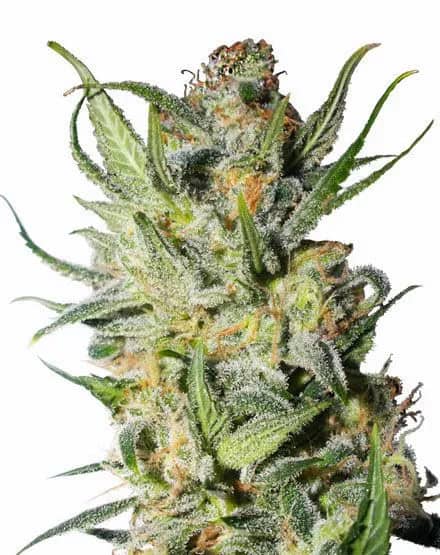
Photo from MSNL
Fans of pure sativas often look at Thai Stick. The name comes from Thai cannabis that was famously sold tied to sticks, which became known abroad in the 1970s.
Thai Stick is THC-dominant and has a reputation for a clear, energetic high.
Growing Thai Stick usually gives moderate yields rather than heavy ones.
Thai Stick’s flowering time is long, often around three months. Patience is a virtue when cultivating this strain, but the reward is well worth the wait.
7. Maui Wowie
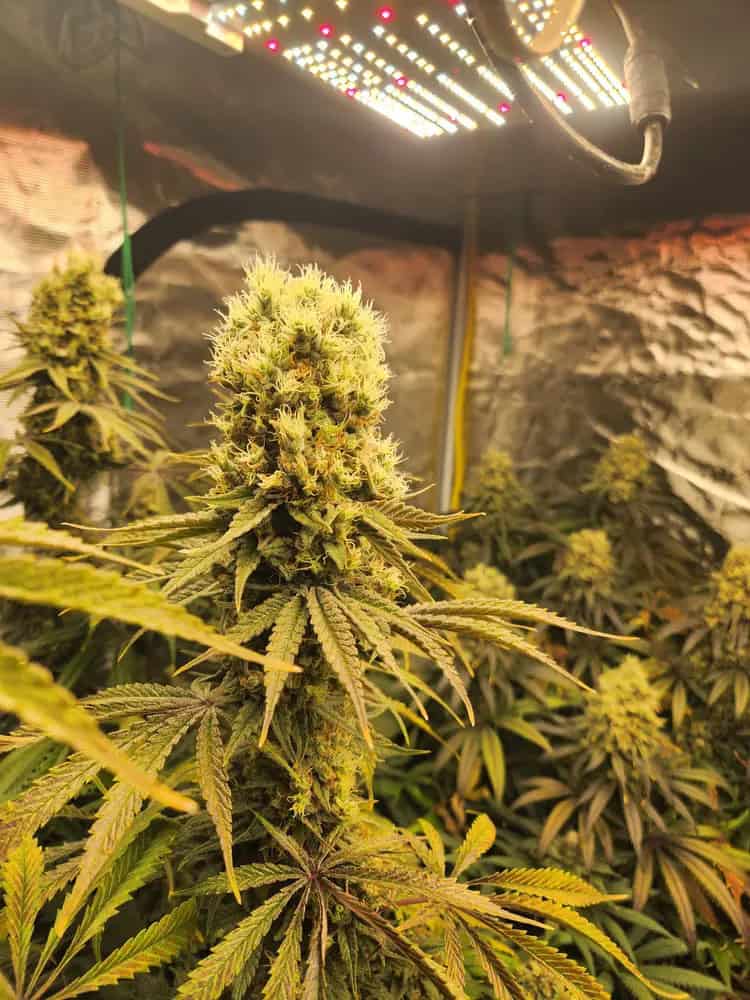
Fans of tropical sativas should know about Maui Wowie. With its exotic and fruity aroma, it is a strain that transports you to the Hawaiian islands.
The exact origin of Maui Wowie is a subject of debate among cannabis enthusiasts. Some consider it a landrace strain due to its isolated development on the island of Maui until the arrival of hippies in the 1960s.
Others suggest it’s a Hawaii-bred hybrid resulting from the intermingling of South Asian and Hawaiian strains during the tumultuous 1960s, influenced by the Vietnam War.
These plants typically start flowering with a reduction in daily light, such as in the fall or when you manipulate the light cycle indoors. Detailed germination instructions can further enhance your growing success.
8. Malawi
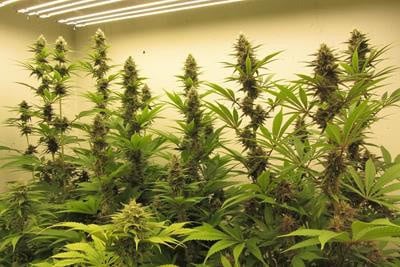
Malawi, a pure Sativa strain with landrace genetics, originates from Southeastern Africa. With genetics deeply rooted in Africa, Malawi thrives in tropical and subtropical climates.
Growing Malawi demands patience, yet the reward is well worth it. When cultivated indoors, its flowering phase spans 10-13 weeks, while outdoor-grown plants reach maturity by late October or early November.
It has a reputation for an intense, long-lasting cerebral high, so it is not a beginner's strain.
Malawi is sold as a potent sativa, though potency always depends on how and where it is grown.
9. Alien Technology
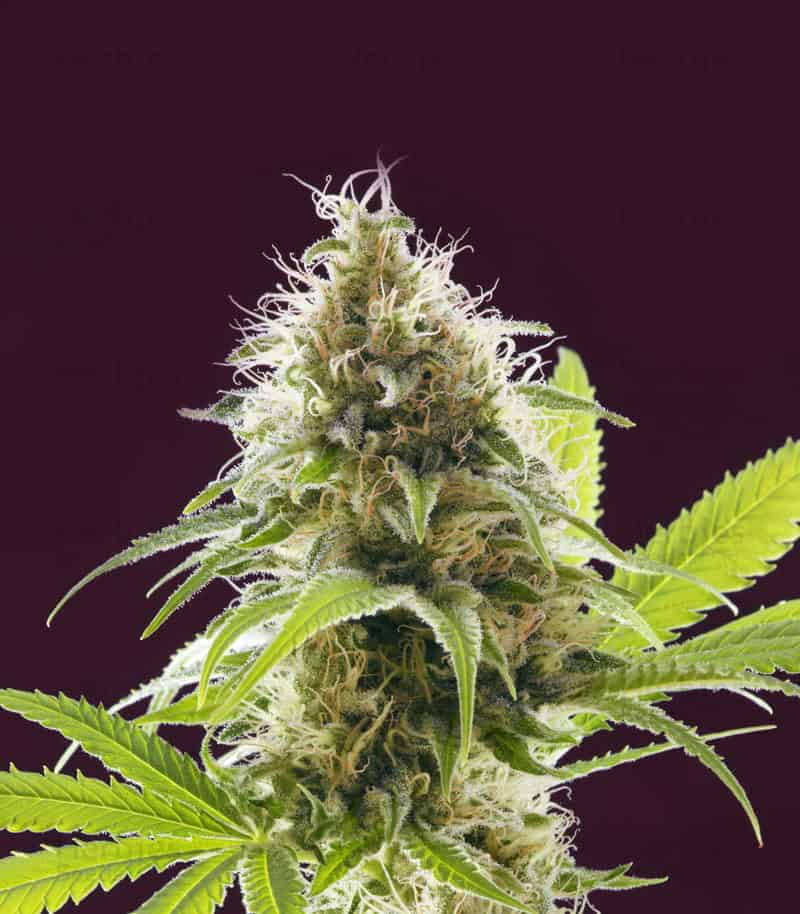
Photo from Herbies
Alien Technology is an indica line said to come from Afghan genetics, and it has a cult following.
Its origin story is popular but hard to verify, so treat it as legend.
For those looking to cultivate Alien Technology, the wait is fairly short. Like many Afghan-type indicas, it flowers in about two months and makes resinous buds.
Landrace Indica vs. Sativa Strains: A Comparative Overview
Landrace Indica strains typically hail from regions with harsh climates, like the mountainous areas of Afghanistan and Pakistan.
Their growth patterns are characterized by shorter and bushier plants with broad, dark green leaves. This adaptation helps them thrive in colder environments by conserving heat.
Indicas have a reputation for relaxing effects. That label is not a reliable guide to chemistry, though: one study found Sativa- and Indica-labeled samples were genetically indistinct on a genome-wide scale.
The flavor and aroma profiles of an Indica landrace strain are often earthy, woody, and musky, reflecting the terpenes that vary by region.
Read Also: The Best Indica Cannabis Seeds
On the other hand, the Sativa landrace strain is indigenous to regions with longer growing seasons, such as parts of Africa, Southeast Asia, and Central America. A prime example is Panama Red, a classic Sativa landrace from Panama that exemplifies the characteristics of pure Sativa genetics.
They have taller and more slender growth patterns with thinner leaves, allowing them to maximize sun exposure in their equatorial habitats. Sativa landraces have a reputation for uplifting effects, but effects vary by person and batch.
In terms of flavor and aroma, Sativas tend to offer fruity, citrusy, and sweet notes, which are a result of their unique terpene profiles, with Panama Red particularly known for its spicy and earthy undertones.
Tips for Growing Landrace Strains
Cultivating many landrace strains, like the Acapulco Gold, Wild Thailand, and Thai Stick, can be a rewarding experience, but it comes with its unique set of challenges due to its heritage and characteristics.
Here are some essential tips for successfully growing landrace strains:
- Research and Understand the Strain: Before you begin, thoroughly research the specific landrace strain you intend to grow. Understand its native climate, growth patterns, and unique requirements.
- Select the Right Environment: Landrace strains often thrive best when grown in conditions resembling their place of origin. Ensure your growing environment matches the strain’s natural habitat, especially regarding temperature and humidity.
- Patience is Key: Many landrace strains, especially tropical sativas, have longer flowering times than modern hybrids. Be prepared for extended cultivation periods and exercise patience throughout the growth cycle.
- Pruning and Training: Regular pruning and training are important when growing landrace strains. Doing so can help manage the size and shape of landrace plants, especially if they tend to grow tall and bushy.
- Soil and Nutrients: Choose the right soil and nutrients that align with the native environment of landrace strains. Some landrace strains prefer rich, loamy soils, while others may thrive in sandy or rocky conditions. Research the strain’s preferred soil type.
- Protection from Pests and Diseases: While landrace strains often exhibit natural resistance to pests and diseases, it’s still essential to monitor your plants and take preventive measures.
- Harvest Timing: Pay close attention to the specific flowering and harvest times of landrace strains. Timing is critical to ensure you harvest at the peak of cannabinoid and terpene production.
Conclusion
The best landrace seeds can be exciting to grow. At the same time, they can be frustrating, which is often the case if you do not understand their requirements. Learn about their native environments to increase the chances that they will thrive.
Frequently Asked Questions
What makes landrace strains special?
Landrace strains offer a glimpse into the historical roots of cannabis. They carry traits and aromas tied to their region of origin, which makes them valuable to breeders.
Are landrace seeds difficult to grow?
Landrace seeds can be more challenging to grow than modern hybrids, primarily due to their longer flowering times and specific environmental preferences. Indoors, tall sativa landraces also need height control.
Sources
- Cannabis labelling is associated with genetic variation in terpene synthase genes, Nature Plants (via NIH PMC)
- Ten Frequently Asked Questions About Growing Cannabis, Utah State University Extension
- Department of Justice Eases Control of Medical Marijuana, Congressional Research Service
- Changes to the Statutory Definition of Hemp, Congressional Research Service