Cannabis Growing Supplies Checklist (Indoor Equipment)
Contents
- Introduction
- Commercial Weed Growing Checklist
- Ventilation System
- pH and TDS Measuring Equipment
- Indoor Plant Lighting
- UV Light Protection
- Temperature Control
- Humidity Control
- Trimming Equipment
- Gloves
- Magnifying Glass
- Eye Protection
- Coveralls
- Pesticide
- Respirators
- Indoor Marijuana Growing Checklist
- Grow Tent
- Grow Lights
- Pots
- Thermometer/Hygrometer
- Fans
- Grow System
- Carbon Filter
- Pruners
- Timer
- Conclusion
- Sources
Don't know which cannabis growing equipment you need? This checklist covers the supplies for a legal home grow and for a licensed commercial operation.
Introduction
The legal cannabis industry has grown quickly in US states that allow medical or adult-use cannabis. Commercial growing requires a state license, and home growing is allowed only in some states, within plant limits. Cannabis remains illegal under federal law for adult use, so check your state's rules first.
If you're planning a licensed commercial or legal home cannabis grow operation, here are the essential tools. This guide is for adults 21+.
Commercial Weed Growing Checklist
Here is a list of industrial marijuana growing equipment for a large-scale, licensed operation.
Ventilation System
Good ventilation brings in fresh air and creates a gentle breeze, which helps keep plants healthy and humidity in check. A typical system uses circulation fans inside the room and an exhaust fan, often paired with a carbon filter, to move air out.
pH and TDS Measuring Equipment
Whether you grow your cannabis in soil or use hydroponics, you'll want to measure pH (acidity) and TDS or EC (dissolved nutrient salts). Test strips or a pH pen work for pH; TDS and EC need an electronic meter.
Indoor Plant Lighting
Cannabis plants need scheduled light to thrive in an indoor environment. Most cannabis is photoperiod-sensitive: University of Georgia Extension notes most hemp flowers when days drop below roughly 13 to 14 hours, so lights and timers control the whole grow.
UV Light Protection
Some growers add UV lights, hoping to raise THC. Research doesn't back that up: a University of Guelph study found UV-B exposure did not increase cannabis yield or cannabinoid concentration, and higher doses damaged leaves and cut yield in one cultivar.
If you use UV lights, keep doses low and protect your eyes and skin.
Temperature Control
Indoor cannabis needs a stable temperature. Too much heat or cold stresses plants. Commercial grows often use automated climate controllers with heating and cooling.
Read Also: The Perfect Grow Room Temperature
Humidity Control
You also need to control humidity in the grow space. High humidity during flowering raises the risk of mold. Humidifiers and dehumidifiers should be sized to your room.
Trimming Equipment
After harvest, leaves and stems are trimmed from the buds. You can use an automatic trimmer or hand trimmers. Automatic machines save time and labor but cost more. Hand trimming is more precise but labor-intensive at commercial scale.
Gloves
Cannabis is sticky. Nitrile gloves keep resin off your hands and keep your hands off the buds, which helps with cleanliness.
Magnifying Glass
A magnifier or jeweler's loupe helps you spot pests, eggs, and early signs of disease, and lets you check trichomes before harvest.
Eye Protection
Wear eye protection rated for your lights when working under high-intensity or UV grow lights for long periods.
Coveralls
Commercial grows handle pesticides, fertilizers, and cleaning chemicals. Employers must follow workplace safety rules and pesticide labels, which often call for protective clothing such as coveralls.
Pesticide
Pest control products for cannabis are tightly limited. Only certain products are allowed, and the list depends on your state. Read and follow every label, and never spray flowers with products not approved for that use.
Respirators
Workers who apply pesticides or handle chemicals may need respirators. Choose the type the product label and safety rules require.
Indoor Marijuana Growing Checklist
If you're growing at home where it's legal, you'll need much of the same weed growing equipment on a smaller scale. Here is the list of essential equipment to grow indoor weed.
Grow Tent
Indoor marijuana grow tents contain light, temperature, and humidity, and give you places to hang lights and fans.
Most grow tents use an opaque, reflective lining that keeps light in and blocks outside light. That makes it easier to control the light schedule.
Grow Lights
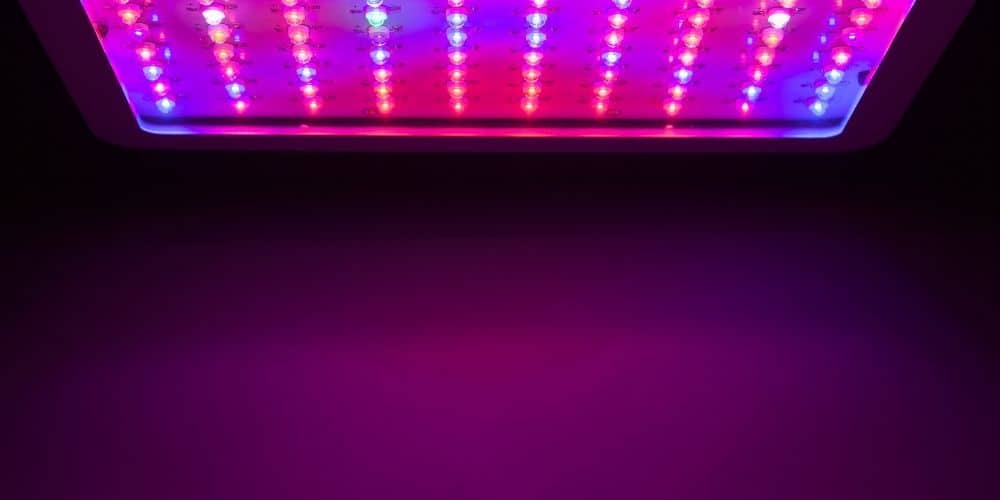
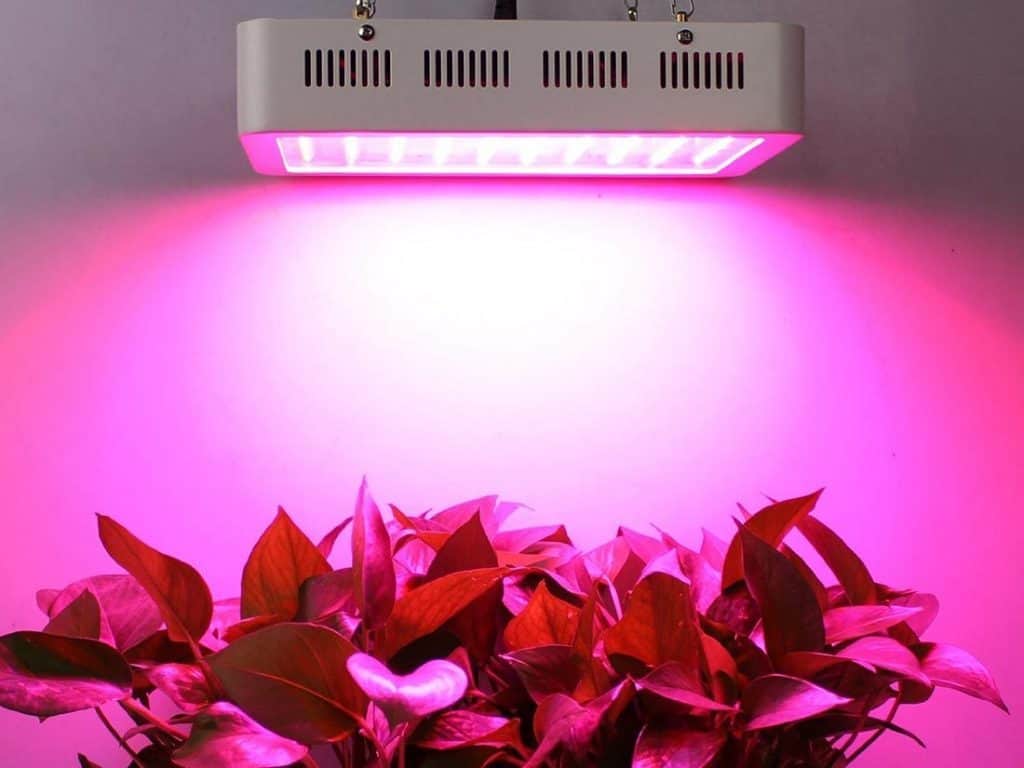
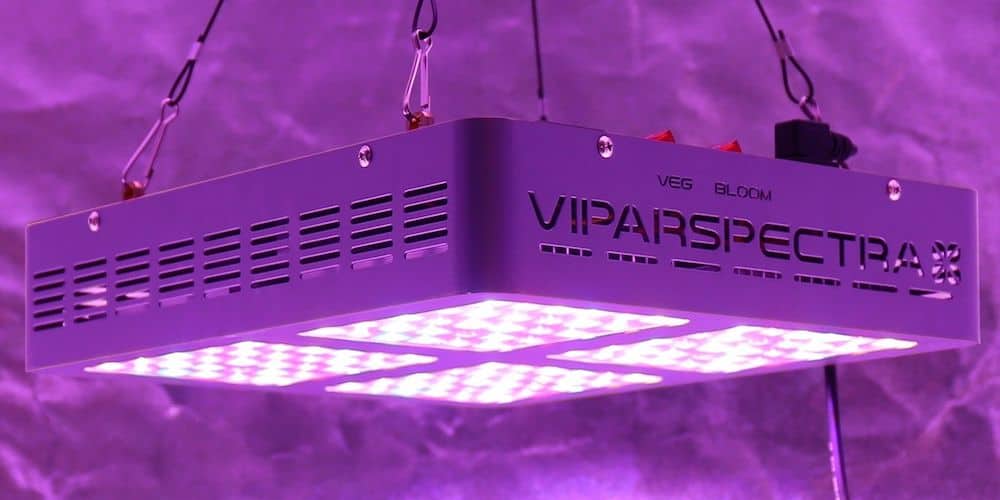
Indoor plants need a strong light source. LED grow lights are the most common choice for home growers, and a timer keeps the light schedule consistent.
Pots
If you're not using hydroponics, you'll need pots for your plants. The right size depends on the strain and growth stage. Types you can use include:
- Standard plant pot with saucer
- Smart pot
- Air pot
- Hempy buckets
Thermometer/Hygrometer
Many inexpensive digital meters measure both temperature and humidity.
Fans
Fans on low to medium settings circulate air through the space. An exhaust fan pulls stale air out and keeps the tent ventilated.
Grow System
Also known as grow boxes, these all-in-one units combine lighting, ventilation, and climate control in a small cabinet.
Carbon Filter
A carbon filter is the most common way to control cannabis odor. Connect one to your exhaust fan, and it scrubs smell from the air before it leaves the tent.
Pruners
Pruners trim buds from excess leaves and stems. At home scale, hand pruners are usually all you need.
Timer
A reliable timer controls your light schedule and, in hydroponic systems, your pump cycles.
Conclusion
Whether you're setting up a licensed commercial grow or a legal home tent, this checklist covers the core equipment. Check your state's rules, including plant limits and approved pesticides, before you start.
Sources
- Cannabis Inflorescence Yield and Cannabinoid Concentration Are Not Increased With Exposure to Short-Wavelength Ultraviolet-B Radiation, Frontiers in Plant Science
- Industrial Hemp Production in Georgia, University of Georgia Extension
- Management Strategies for Common Arthropod Pests of Greenhouse Hemp in Indiana, Purdue Extension