Guerrilla Growing Marijuana: Why It's Illegal and Legal Alternatives
Contents
- What is Guerrilla Growing?
- Pros and Cons of Guerrilla Growing
- Pros
- Cons
- How to Plan a Legal Outdoor Grow Instead
- Pick Your Plants: Photoperiods or Autoflowers?
- Choosing The Spot For Your Outdoor Grow
- When to Start Your Outdoor Grow?
- How to Plant Your Outdoor Grow?
- 1. Prepare the Soil
- 2. Amend the Soil
- 3. Collect Water
- 4. Germinate the Seeds
- 5. Planting
- Tips for a Successful Home Grow and Harvest
- Discretion
- Know the Rules
- Choose the right time to harvest
- Be realistic
- Get Growing, Legally
- Sources
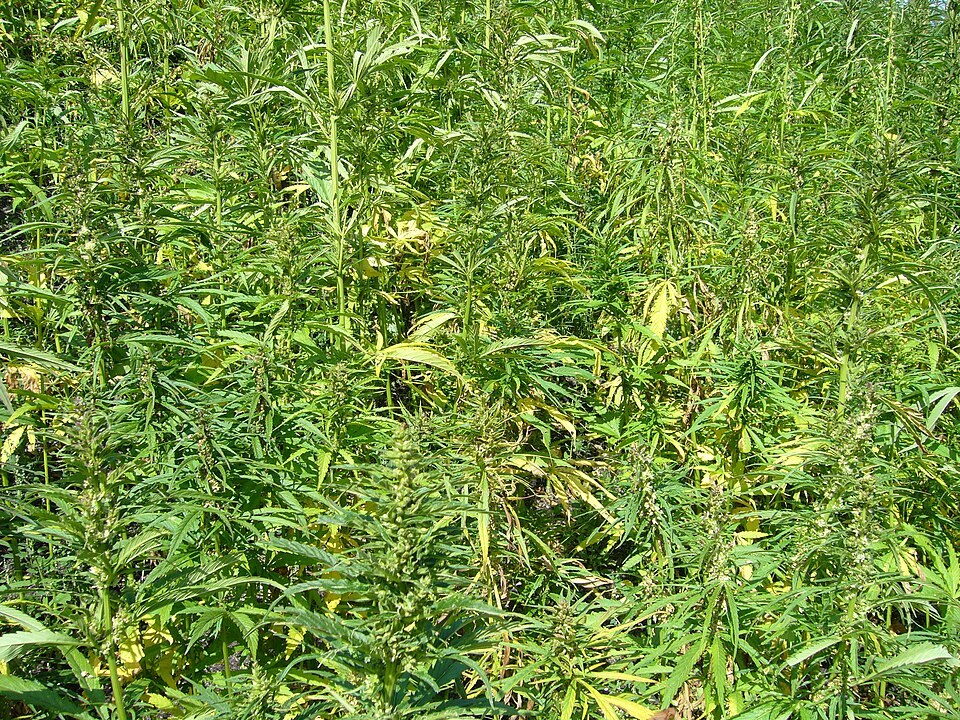
Photo by Nabokov, Public domain, via Wikimedia Commons
After decades of prohibition, some growers still picture cannabis cultivation as something done in secret. Guerrilla growing is the most extreme version of that idea.
If you can't legally grow at home, or you just lack space, this guide explains what guerrilla growing is, why it's illegal and risky, and what to do instead.
What is Guerrilla Growing?
Guerrilla growing is planting cannabis in a hidden spot in the wild or on land you don't own. The term isn't limited to cannabis; some people plant vegetables or flowers in neglected public spaces.
For cannabis, it's illegal. Even in states that allow adults to grow at home, the rules typically limit you to a small number of plants at your own residence, often secured and out of public view. In California, for example, San Luis Obispo County allows adults over 21 up to six plants for personal use, indoors and at their full-time residence only. In the US, marijuana is still a Schedule I drug under federal law outside the narrow categories that a 2026 final rule moved to Schedule III: FDA-approved drug products and state-licensed medical marijuana. State laws differ.
On national forests and other federal land, cannabis cultivation is illegal under federal law, as the USDA Forest Service points out.
Pros and Cons of Guerrilla Growing

Pros
The only real pro is that you don't need to invest in expensive equipment and lights for an indoor grow. That benefit doesn't outweigh the legal risk.
Cons
The cons weigh far more:
- It's a crime. Growing on public land, someone else's property or federal land can bring criminal charges, even where home growing is legal.
- It damages the environment. The Forest Service says illegal grow sites harm forests, wildlife and waterways, and that it has cleaned up more than 80 illegal cultivation sites in California national forests since 2021.
- It's unsafe. The Forest Service warns visitors who suspect they're near a grow site to stay quiet and leave the area immediately.
- You'll likely lose plants. Animals, weather, theft and law enforcement all take a toll, and you can't tend plants you rarely visit.
How to Plan a Legal Outdoor Grow Instead
If your state and local rules allow adults to grow at home, an outdoor grow on your own property gives you most of what guerrilla growers are after, without the legal risk. Here are the major points to consider.
Pick Your Plants: Photoperiods or Autoflowers?
Autoflowering cannabis suits many small home gardens.
Photoperiod plants can grow very large, which is a problem if your local rules require plants to stay out of public view or behind a fence.
Let’s compare photoperiods and autos for a small backyard grow.
Photoperiods Disadvantages
- Big plants are thirsty plants.
- Big plants are hard to keep out of view.
- Depending on where you are in the world, you have to pick your strain according to the length of the season.
- A long season, often spring to fall, is a long time to wait.
Autoflowers Advantages
- Smaller plants need less water.
- Smaller plants are easier to screen with a fence or other plants.
- Autoflowers flower by age rather than hours of darkness, so many are ready a few months after germination.
- Yields and timing vary a lot by strain, so check the breeder's information.
Early autoflowers had a reputation for small buds and weak smoke. Breeders have improved them a lot since then, and many modern autoflowers perform close to photoperiod strains.
Read Also: How to Maximize Autoflower Yields
Choosing The Spot For Your Outdoor Grow
Plan your spot before you germinate your seeds, so you aren't rushing to find space for seedlings. Your spot must be somewhere the law allows, which usually means your own residence.
When looking for the spot, I like to consider these things:
Privacy and Security
Many legal states require home-grown plants to be secured and out of public view. A fenced backyard, a locked greenhouse or a screened patio can meet those rules and also keep plants away from kids, pets and visitors.
Bear in mind that flowering cannabis smells strong, so think about your neighbors and any local odor rules.
Water
Choose a spot near a hose or rain barrel. You'll water more often in hot, dry spells, so easy access matters.
Soil Quality
Planting directly in the ground lets roots spread, but most garden soil benefits from amendments, which we'll get to in a minute.
Pots are a good alternative, since you can move plants to follow the sun or bring them in during bad weather.
Companion Plants and Screening
Tall vegetables, shrubs and flowers can help screen your plants. If stinging nettles already grow on your property, gardeners often read them as evidence of good soil and plenty of moisture.
Stay within your legal plant count. Going over the limit can turn a legal home grow into a crime.
When to Start Your Outdoor Grow?
Choosing the right timing to plant your outdoor grow depends on the part of the world you live in.
But, this is a good rule of thumb.
If you are looking for an early-season crop, then the most important factor is waiting until the last chance of frost has passed.
In cooler northern climates, many growers start autoflowers in late spring and early summer, so they finish before cold weather. Earlier and later crops may be smaller than those planted in the warmest part of the season.
In warm Mediterranean-type climates, the season starts earlier and runs later. Even there, late cold snaps happen, so nothing is set in stone.
How to Plant Your Outdoor Grow?
The bulk of the work lies in preparation and planting, so let me walk you through my process.
1. Prepare the Soil
Well-prepared soil holds water better, so you can go longer between waterings.
Dig over the area and add plenty of well-rotted manure or good compost. A slow-release fertilizer can add nutrients for the season.
2. Amend the Soil
Several materials help soil hold moisture instead of letting it drain straight through.
- Peat moss holds a lot of water. However, it's acidic, so growers often add lime or another alkaline amendment. Test your soil pH before and after.
- Coco coir holds water well and comes in compressed blocks that expand when you soak them. However, it doesn't add many nutrients to your soil.
- Sawdust should be well aged before use. Fresh sawdust can tie up nitrogen as it breaks down.
- Water-retaining crystals are hit-and-miss. They can keep the soil so wet that roots run short of oxygen and become prone to root rot.
3. Collect Water
A rain barrel or other water storage near your garden saves trips with a watering can. Cover it to keep out mosquitoes, kids and pets.
4. Germinate the Seeds
To give the plants the best start in life, I find it best to grow my seedlings for the first two weeks indoors. This means I can germinate them with a higher rate of success and nurse them through the delicate first 2 weeks.
This also means I can get a jump start on spring and move young, established plants outside once the soil is warm enough. If you need help with the first step, here's how to germinate cannabis seeds.
5. Planting
Prepare the ground in advance, so it's a simple matter to put the seedlings in, firm the soil and water them in.
When planting out, I use mulching to reduce water loss from the soil. A loose layer of straw or similar mulch around the stem keeps moisture in and slowly adds organic matter.
For slugs and snails, UC's Statewide IPM Program says iron phosphate baits are safer around dogs, children and wildlife, while metaldehyde baits can be poisonous to dogs and birds.
You can get a motion-activated sprinkler to keep away deer, cats, dogs, rabbits and other animals. It uses a motion sensor to detect animals and sprays a burst of water to startle them away.
Tips for a Successful Home Grow and Harvest
Discretion
Keep your grow low-key and respectful of neighbors. Store your harvest locked up and away from kids and pets.
Know the Rules
Check your plant limits, where plants may be grown, and any rules about possession of your harvest, since home-grown amounts can exceed possession limits.
Choose the right time to harvest
Harvest when the buds are ripe, ideally on a dry day, so the flowers go into drying without extra moisture.
Be realistic
Not all your plants will make it to harvest time. This applies to photoperiods and autoflowers the same. You may lose some to weather, disease, pests and wildlife. You need to accept that and move on.
Get Growing, Legally
If you need more info on outdoor grows, please feel free to check our full guide on how to grow marijuana outdoors.
Happy growing!
Sources
- Illegal Cannabis Grow Sites, USDA Forest Service
- Personal Use and Cultivation, County of San Luis Obispo
- Schedules of Controlled Substances: Rescheduling of Food and Drug Administration-Approved Products Containing Marijuana, Federal Register (U.S. Department of Justice)
- Snails and Slugs, UC Statewide IPM Program