How to Germinate Cannabis Seeds (For Maximum Success)
Contents
- Understanding Germination in Cannabis Seeds
- Seed Dormancy and Activation
- Water and Hydration
- Temperature and Environmental Factors
- Root and Shoot Emergence
- The Different Methods of Germinating Cannabis Seeds
- Paper Towel Method
- Water Glass Method
- Starter Cube Method
- Types of Cannabis Seeds and Their Influence on Germination
- Regular Seeds
- Feminized Seeds
- Autoflowering Seeds
- Common Challenges and Troubleshooting in Germinating Cannabis Seeds
- Seed Viability and Germination Failure
- Mold and Fungus Issues
- Seedling Damping Off
- Nutrient Deficiencies and Imbalances
- Pests and Diseases
- Transferring the Germinated Cannabis Seed
- Transplanting to a Growing Medium
- Choosing the Right Growing Medium
- Ensuring Proper Nutrition for Seedlings
- Frequently Asked Questions
- How long does it take for cannabis seeds to germinate?
- Should I soak cannabis seeds before germination?
- Can I germinate cannabis seeds directly in the soil?
- How do I know if my germinated seeds are healthy?
- Conclusion
- Sources
Germination is the first step of every grow: the seed takes up water, cracks open and sends out a root.
Not every seed will sprout. Seed age and quality, moisture and warmth all affect your success rate.
Here is how to germinate cannabis seeds, step by step. Grow only where home cultivation is legal for adults; marijuana remains a Schedule I drug under US federal law outside narrow exceptions, and state laws differ.
Understanding Germination in Cannabis Seeds
Germination is when a dormant seed wakes up and starts to grow into a seedling.
Knowing what the seed needs makes it easier to get a high success rate.
Of course, step 0 involves acquiring some cannabis seeds. Read this article about the best places to buy marijuana seeds if you don't have any yet.
Seed Dormancy and Activation
A dry seed is dormant, protected by its hard outer shell until conditions are right.
Moisture, warmth and air trigger germination. Cannabis seeds don't need light to germinate, and darkness is fine.
Water and Hydration
Water is the catalyst for germination. It soaks through the seed coat and starts the reactions needed for growth.
As the seed absorbs water, enzymes break down its stored food to fuel the growing embryo.
The seed needs steady moisture, but it also needs oxygen. Soggy conditions can make it rot.
Temperature and Environmental Factors
Cannabis seeds germinate best when warm. Many growers aim for about 70 to 85°F (21 to 29°C).
Cold slows germination down, and too much heat can damage the seed.
Root and Shoot Emergence
The first sign of growth is the radicle, or taproot, pushing out of the seed.
The taproot anchors the seedling, and side roots soon branch off it.
Then the shoot grows upward, lifting the first leaves (cotyledons) out of the soil.
The Different Methods of Germinating Cannabis Seeds
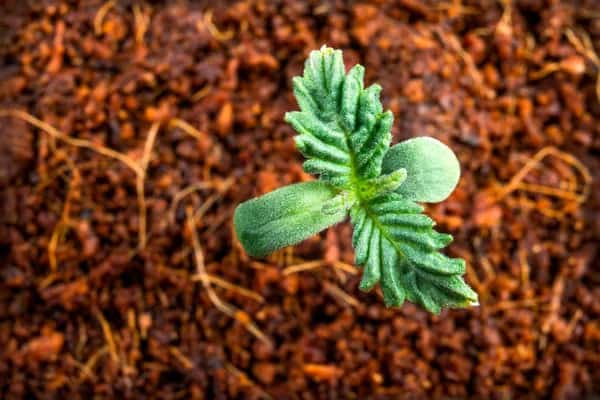
Photo from Deposit Photos
Here are the most common methods, with their pros and cons.
Paper Towel Method
The paper towel method is popular because it's simple and lets you see when each seed sprouts.
It suits growers who want to watch their seeds closely.
- Moisten a paper towel with clean water so it's damp but not dripping.
- Place the seeds evenly spaced on one half of the towel.
- Fold the other half over the seeds.
- Put the towel inside a plastic bag or between two plates to keep it moist.
- Keep it in a warm, dark place.
- Check daily. Many seeds sprout within one to three days, though some take up to a week or longer.
Pros:
- Ease of Use: You only need paper towels, water and a bag or two plates.
- Visibility: You can see exactly when the taproot appears.
- Germination Test: It doubles as a viability test. The Alabama Cooperative Extension uses the same idea in its seed germination test.
- Cost-Effective: Paper towels are cheap and easy to find.
Cons:
- Transplanting Risk: Moving sprouted seeds into soil can damage the delicate taproot.
- Root Entanglement: If left too long, roots can grow into the towel fibers.
- Drying Out: If the towel dries, the sprouting seeds can die.
Water Glass Method
In the water glass method, seeds soak in water until they crack open.
It is simple, but seeds shouldn't stay submerged for long.
- Fill a glass with room-temperature water. Plain tap water is fine for most people; some use distilled water.
- Drop in the seeds. Many float at first and sink as they absorb water.
- Soak for about 12 to 24 hours, and no more than about 48.
- Keep the glass somewhere warm and dark.
- Once seeds crack and show a tiny root tip, move them into soil or a paper towel.
Pros:
- Easy Setup: You only need a glass of water.
- Fast Start: Soaking softens the shell and can speed up sprouting.
- Visibility: You can see the seeds crack open.
- Cost-Effective: No special equipment.
Cons:
- Risk of Over-Soaking: Seeds left underwater too long can run short of oxygen and rot.
- Extra Step: Seeds still need to be moved into a growing medium.
- Transplant Risk: The tiny roots can be damaged when moving the seeds.
Starter Cube Method
Starter cubes or plugs let seeds sprout and grow in one place, then go straight into a bigger pot.
They reduce handling of the delicate root.
- Moisten the cubes so they're evenly damp but not dripping.
- Make a small hole, about a quarter to half an inch deep.
- Place one seed in each hole and cover it lightly.
- Set the cubes in a tray with a humidity dome or plastic cover.
- Keep them warm, and give light once the seedlings emerge.
- Seedlings usually appear within a few days to a week.
Pros:
- Moisture and Air: Cubes hold water while leaving space for air.
- Easy Transplanting: You move the whole cube, so the root isn't disturbed.
- Clean Start: Fresh cubes are less likely to carry pests or disease than reused soil.
- Beginner Friendly: Simple and forgiving.
Cons:
- Cost: Cubes cost more than paper towels or a glass of water.
- Availability: Not every store stocks them.
- Limited Space: Seedlings soon need a larger pot.
Types of Cannabis Seeds and Their Influence on Germination
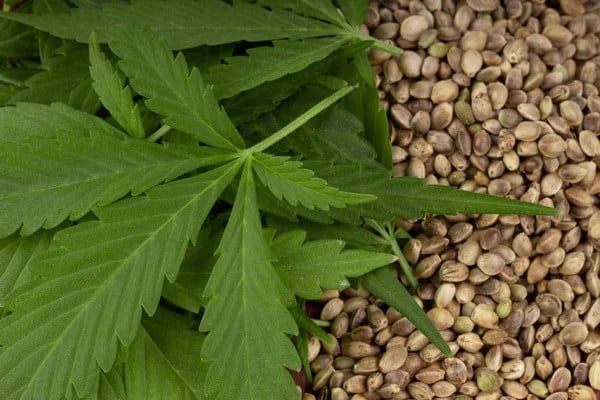
Photo from Deposit Photos
All seed types germinate the same way, but they grow differently afterward.
Regular Seeds
Regular seeds can grow into either male or female plants.
Roughly half will usually be male, and males need to be removed if you want seedless buds.
You'll need to check the plants' sex as they mature. Regular seeds are also what breeders use to keep male lines.
Feminized Seeds
Feminized seeds are bred to grow into female plants.
They are popular because nearly every plant can produce buds.
Occasional males or hermaphrodites can still appear, so check your plants as they mature.
Autoflowering Seeds
Autoflowering plants switch from the vegetative stage to the flowering stage based on age rather than light schedule.
They are known for short life cycles and compact size.
Germination is the same as for other seeds. Autoflowers usually start flowering within a few weeks of sprouting, which allows quicker harvests and sometimes more than one crop per season.
Common Challenges and Troubleshooting in Germinating Cannabis Seeds
Here are common germination problems and how to fix them.
Seed Viability and Germination Failure
Fresh, well-stored seeds from a reputable source germinate best.
Mature seeds are usually firm and fully colored. Pale or soft seeds are often immature.
Store unused seeds in a cool, dark, dry place, such as an airtight container in the fridge.
Before starting a full batch, run a germination test on a few seeds to see what share sprout.
Mold and Fungus Issues
Mold usually comes from constant wetness. Keep the medium moist, not soggy.
Use a well-draining mix and containers with drainage holes.
Good airflow helps keep fungi from taking hold.
Fresh, clean seed-starting mix reduces the chance of fungal problems.
If mold appears, remove affected seeds or seedlings and dry things out. Products such as neem oil are sold for some plant diseases; read its fact sheet and follow the product label.
Seedling Damping Off
Damping off is a fungal disease that makes seedlings collapse at the soil line and die.
To prevent damping off, start with clean containers and a well-draining mix.
Don't overwater, and give seedlings good airflow.
Once a seedling has damped off, it usually can't be saved. Remove it and adjust watering.
Nutrient Deficiencies and Imbalances
Seedlings need very little food at first, because the seed carries its own reserves.
Use a light seedling mix, or a weak nutrient solution if you grow in a soilless medium.
Increase feeding gradually as the plants grow.
Overfeeding is more common than underfeeding at this stage, and it can burn tender roots and leaves.
Check pH, since it affects how well plants take up nutrients.
Pests and Diseases
Pests can attack even young seedlings.
Keep the growing area clean and remove dead leaves and debris.
Inspect seedlings regularly for insects, webbing or chewed leaves.
If pests appear, use a product labeled for that pest and follow the label, or use beneficial insects.
Steady temperature, humidity and airflow make seedlings less attractive to pests and disease.
Transferring the Germinated Cannabis Seed
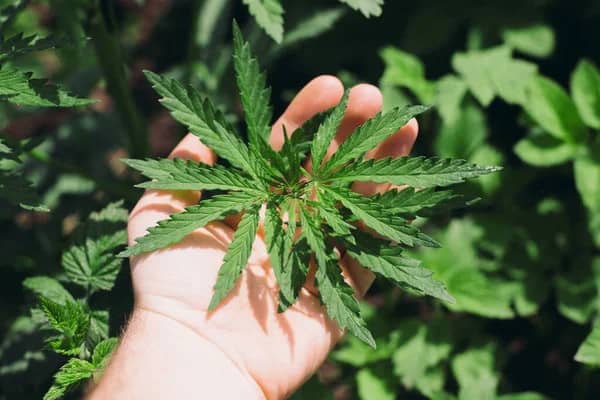
Photo from Deposit Photos
Once a seed sprouts, move it into a growing medium carefully.
Transplanting to a Growing Medium
Handle sprouted seeds gently to avoid breaking the taproot.
- Prepare the Growing Medium: Choose soil, coco coir or a hydroponic setup, and make sure it drains well.
- Make a Hole: Make a small hole for each seed. The hole’s depth for the cannabis seed should be shallow, usually a quarter to half an inch.
- Plant the Seed: Using clean tweezers or fingers, place the seed with the root pointing down, and cover it lightly.
- Water Gently: Mist or water lightly so the seed isn't washed out.
Choosing the Right Growing Medium
The growing medium supplies water, air and nutrients. Common choices:
- Soil: A good potting mix gives a forgiving start. Light, seedling-friendly mixes work best.
- Coco Coir: Coco coir holds water well while staying airy. It usually needs added nutrients, since it contains few on its own.
- Hydroponics: Hydroponic systems grow plants without soil, with roots fed by a nutrient solution. They give precise control but need closer monitoring.
Ensuring Proper Nutrition for Seedlings
Seedlings need gentle feeding. Some tips:
- Preparing the Growing Medium: Many potting soils contain enough nutrients for the first weeks. Soilless media need a mild nutrient solution.
- Gradual Nutrient Introduction: Start with a weak solution and increase it as plants grow.
- pH Balance: Growers commonly target around 6.0 to 7.0 in soil and a bit lower in coco and hydroponics. Follow your nutrient maker's range.
- Avoid Nutrient Burn: Don't overfeed. Follow the product instructions.
Frequently Asked Questions
How long does it take for cannabis seeds to germinate?
Many seeds sprout in one to three days, but some take a week or longer, especially older seeds.
Should I soak cannabis seeds before germination?
It isn't required, but a short soak of 12 to 24 hours can soften the shell. Don't leave seeds submerged for long, or they may rot.
Can I germinate cannabis seeds directly in the soil?
Yes. Plant them a quarter to half an inch deep in moist, not soggy, soil and keep them warm. It avoids transplanting the fragile root.
How do I know if my germinated seeds are healthy?
A healthy sprout has a white taproot. As it grows, the seedling should be upright and green with no discoloration.
Conclusion
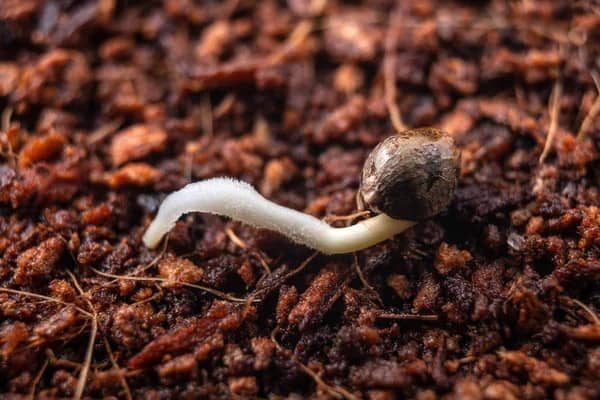
Photo from Deposit Photos
Germinating cannabis seeds comes down to moisture, warmth and air.
Pick a method that suits you, such as the paper towel or water glass method, keep seeds damp but not soggy, and handle sprouts gently.
With good conditions and fresh seeds, most seeds should sprout and grow into healthy seedlings.
Sources
- Seed Germination Test, Alabama Cooperative Extension System
- Schedules of Controlled Substances: Rescheduling of FDA Approved Products Containing Marijuana From Schedule I to Schedule III, Federal Register (U.S. Department of Justice, DEA)