Advanced Platinum LED Grow Lights (Brand Overview)
Contents
When it comes to LED grow lights, Advanced Platinum LEDs were a familiar name on many growers' shortlists. The series included options for several sizes of indoor grow space.
One important update: the maker's website, advancedledlights.com, no longer hosts the product line (the domain now shows a for-sale page). The series appears to be discontinued, so you'll mostly find these lights used or as leftover stock.
This overview covers what the series offered and what to check before you buy one secondhand.
Top Features of the Advanced Platinum LED Series
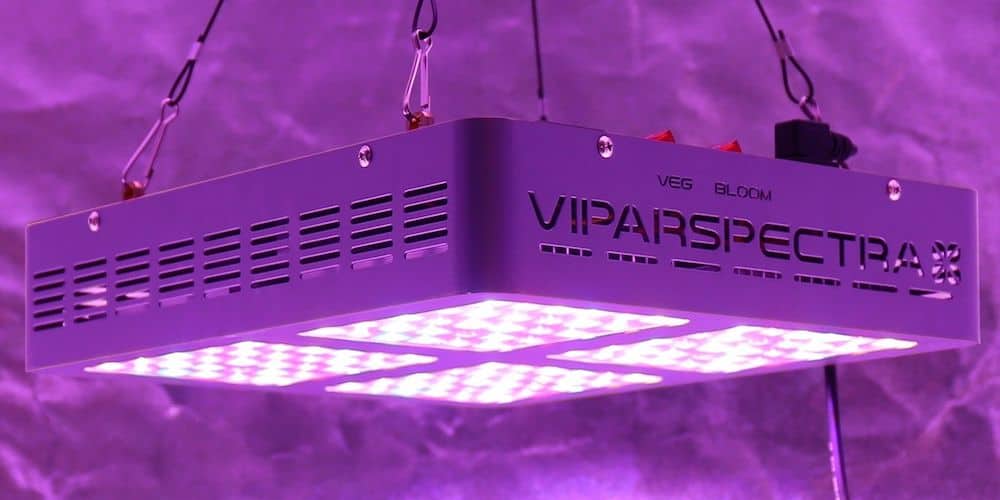
The Advanced Platinum LED series used multi-band, full-spectrum LED panels, and several models had separate veg and bloom settings. Models in the series included the P300, P450, P600 and XML 350.
We can't verify the original specs, output claims, included accessories or warranty terms, because the maker's product pages are gone. If you buy one, confirm what's included and whether any warranty still applies with the seller.
Grow Light Spectrum
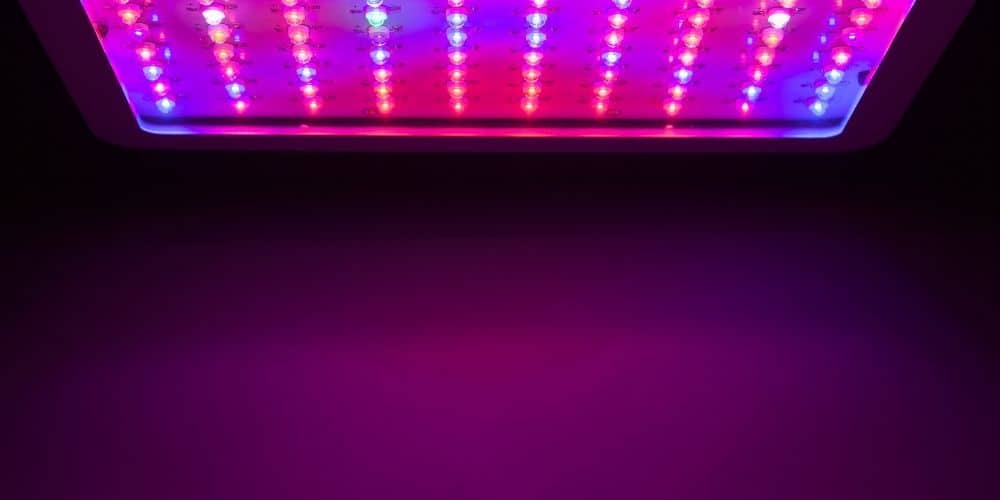
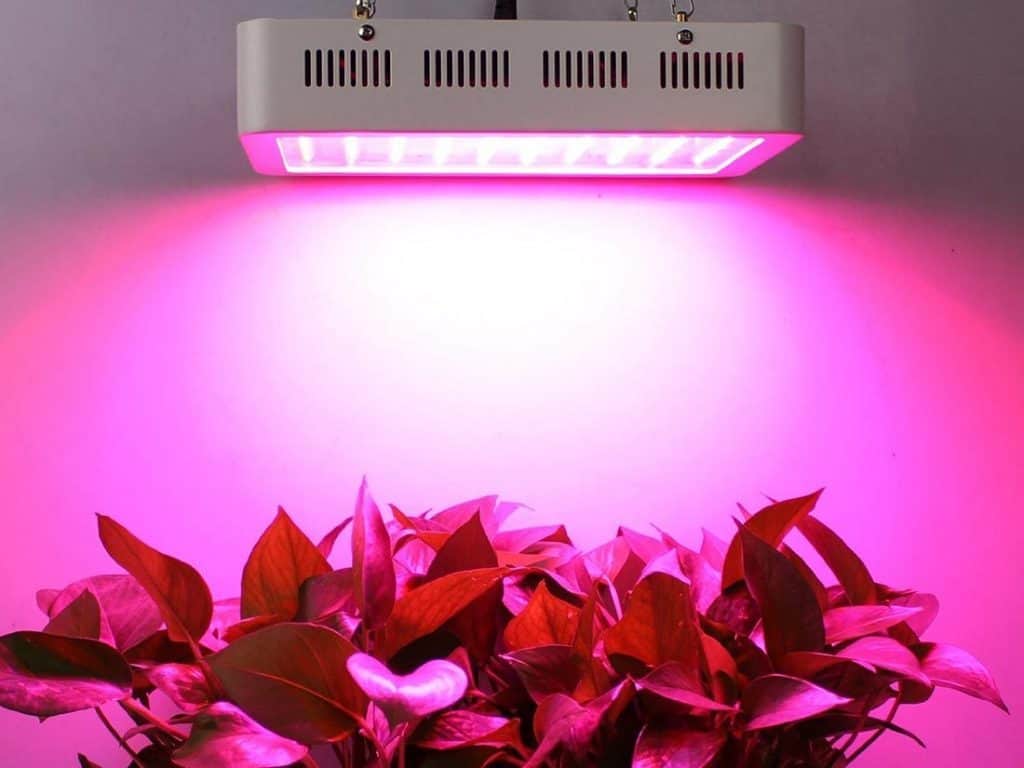
The Platinum LED grow lights combine several LED colors to deliver a broad spectrum of light.
The goal of a grow light spectrum is to deliver the wavelengths plants use for photosynthesis. Red and blue light are absorbed most readily by plants, according to UC Agriculture and Natural Resources.
Blue light supports chlorophyll production and strong leaves and stems. Red light matters most for germination, flowering and fruit production.
That's why many grow lights, including this series, are heavy on red and blue diodes. A light with separate veg and bloom settings lets you shift the balance as plants move from vegetative growth to flowering, so one fixture can cover all growth stages.
PAR Values and Coverage Area
Like many other manufacturers, Platinum LED didn't publish full PAR maps. PAR is the 400 to 700 nm light plants use for photosynthesis, and a PAR (or PPFD) reading measures how much of it reaches one spot on the canopy.
A single reading at the center of the light says little about the edges, where intensity drops off. Coverage is how far useful light reasonably extends outward from that center.
Because the maker's spec pages are offline, we can't confirm the PAR and coverage figures once listed for each model. If you buy a used unit, ask the seller for a PAR reading at a set hanging height, or measure it yourself with a quantum (PAR) meter, and size the light to your tent rather than to the wattage on the label.
LED Quality and Configuration
LEDs produce little heat, are energy efficient and have a long life, but cost more up front than other grow lights, UC ANR notes.
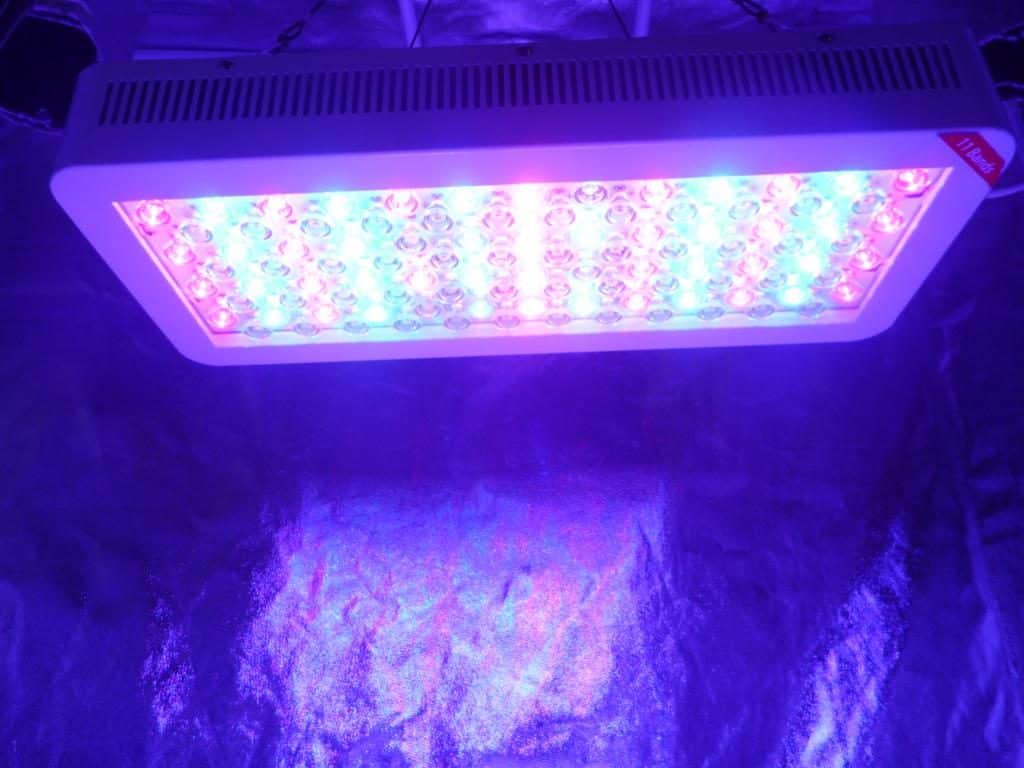
Each diode in this series sat under a lens to focus light toward the plants. We couldn't verify claims about which chip brands were used or how many hours the diodes are rated for.
Conclusion
The Advanced Platinum LED series offered full-spectrum LED lights in several sizes, from smaller units like the P300 to larger ones like the P450 and P600.
Since the line appears to be discontinued, check a used light's condition, fans and output before you buy, and compare it with current lights that publish full PAR maps.
Home growing is legal only in some US states, within plant limits, for adults 21+. Marijuana is still a Schedule I drug under federal law outside narrow 2026 exceptions, so check your state's rules first.
Sources
- Grow Light Basics, University of California Agriculture and Natural Resources
- Schedules of Controlled Substances: Rescheduling of FDA Approved Products Containing Marijuana From Schedule I to Schedule III, Federal Register (U.S. Department of Justice, DEA)