Mars Hydro Grow Lights Review (Brand Overview)
Contents
Mars Hydro is a popular budget LED grow light brand for home and hobby grows. This overview covers its older Reflector-style panels and the series that followed, and what to check before you buy.
Availability note: Mars Hydro's website blocked our checks, so we could not confirm current models, specs or warranty terms on an official page. Older lines like the Reflector series and Mars II are hard to find new, so treat listings as possibly old stock and confirm details with the seller.
Legal note: This guide is for adults 21+ in places where home growing is legal. Marijuana is still a Schedule I drug under US federal law, outside a 2026 rescheduling rule that covers only FDA-approved and state-licensed medical products. State laws on home grows differ, so check yours first.
Mars Hydro Reflectors and Coverage
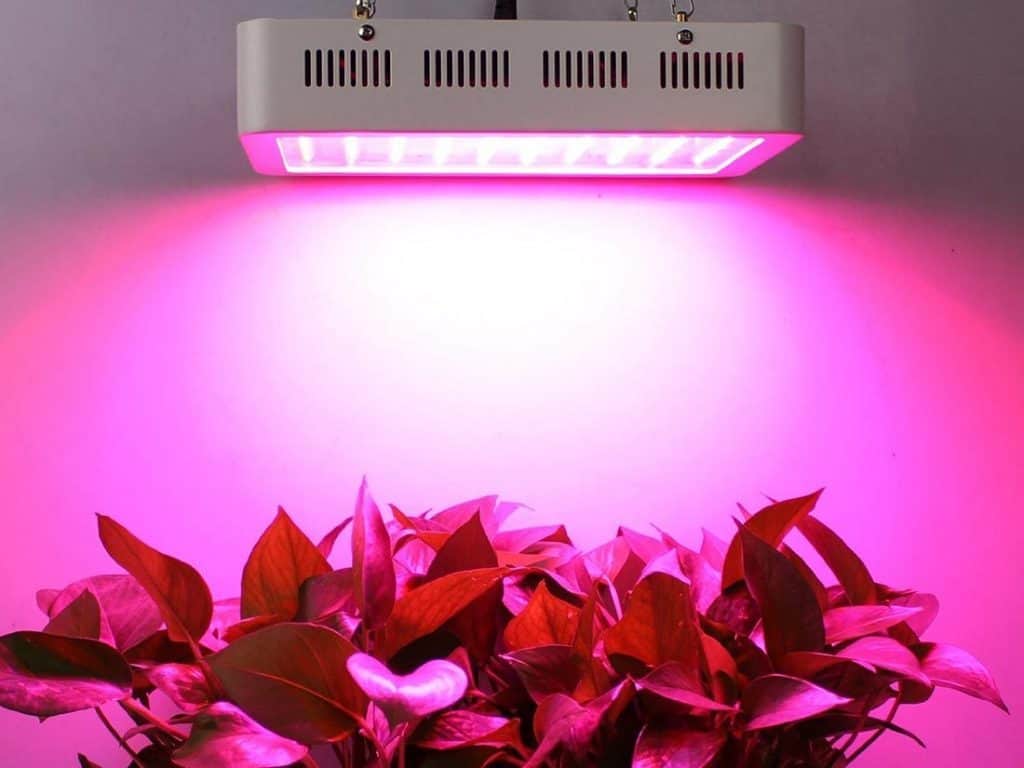
The Mars Hydro Reflector series used angled reflectors around the diodes to spread light downward instead of concentrating it in one spot. Don’t hang any light too close, since plants can get light burn.
Coverage depends on the panel's size and how high you hang it. Larger panels cover more area, but check the maker's coverage chart for the exact model you are buying rather than relying on the wattage in the name.
The Mars Hydro Spectrum
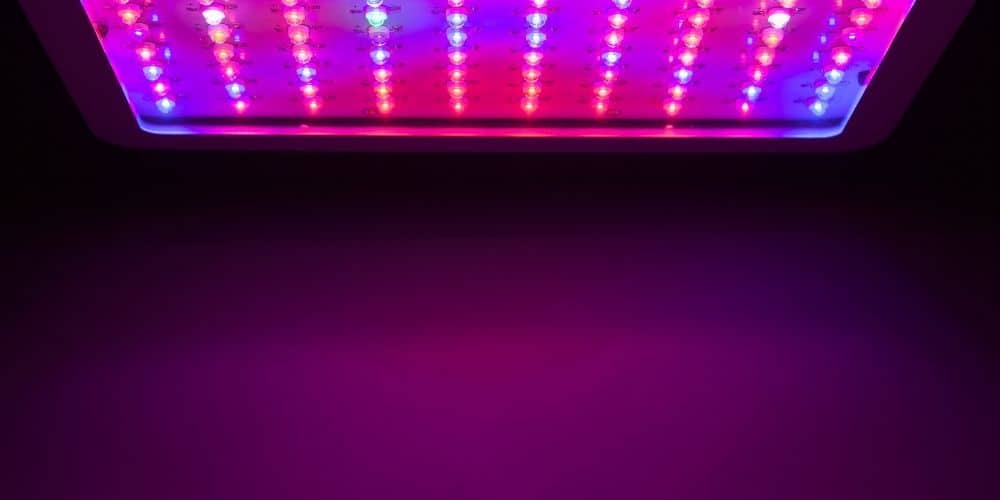
Mars Hydro panels are sold as full spectrum, mixing red, blue and white light, with some infrared on many models. We could not confirm the exact wavelengths for each model on an official page.
Red and blue light make up most of the light plants use for photosynthesis, according to the University of Minnesota Extension. Blue suits seedlings and leafy growth, while red helps with flowering.
Infrared diodes may look dark because the human eye can't see infrared. If a diode seems out, check whether it is an infrared one before assuming it has failed.
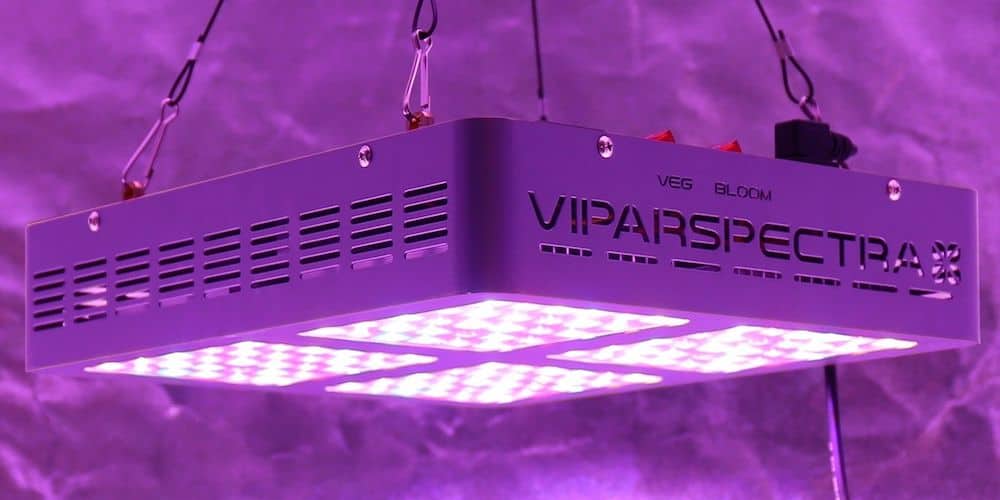
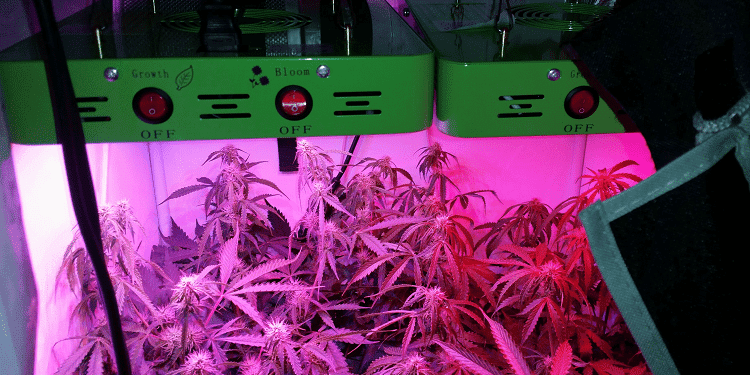
Some Mars Hydro models use a cooling fan and aluminum heat sink and can be daisy-chained. Older models such as the Mars II had veg and bloom switches, which let you run the spectrum suited to each stage.
Watts measure the energy a light uses, not how much light it gives off, so compare lights by PPF or PPFD figures as well. Energy-saving claims against HPS lights depend on the exact models being compared.
Mars Hydro 300w
The Mars Hydro 300 was an entry-level panel for a small tent. Despite the "300W" name, panels like this draw less power from the wall, so check the actual wall draw on the label.
LEDs generally last longer than older grow light types. We could not confirm the lifespan or warranty for this model, so check the documentation that comes with the unit.
Mars Hydro 600w
The Mars Hydro 600 was the mid-sized option, with the same basic design as the 300w in a larger panel. It covers more space, but compare real wall watts and PPFD rather than the name.
Issues with the Mars Hydro series
Some buyers report uneven quality control and slow customer service. Keep your receipt and register the unit if the seller offers a warranty.
You can also check out the other recommended LED grow light brands for more reliable options.
Conclusion
If you buy an older Mars Hydro panel, pick the size that fits your space and compare wall watts and PPFD rather than the number in the name. Two smaller panels can give more even coverage than one large one in some spaces.
Seedlings and clones need gentler light, so raise the light or turn down a dimmer for them. The panels suit hobbyists more than commercial growers.
Sources
- Lighting for indoor plants and starting seeds, University of Minnesota Extension
- Schedules of Controlled Substances: Rescheduling of FDA Approved Products Containing Marijuana From Schedule I to Schedule III, Federal Register (U.S. Department of Justice, DEA)