Can You Smoke Wet Weed: Risks and Considerations
Contents
- Key Takeaways
- Smoking Wet Weed
- Drying Methods
- Avoid Quick Drying Methods
- Effects on Quality
- Wet Weed Facts
- Differences Between Wet and Dry Cannabis
- Risks of Smoking Wet Weed
- Effective Drying Techniques
- Traditional Drying Methods
- Alternative Drying Solutions
- Frequently Asked Questions
- What are the risks of smoking damp weed?
- How can I tell if my weed is too moist?
- What is the right moisture level for storing cannabis?
- How does water content affect the potency of weed?
- Can smoking water-damaged weed lead to health issues?
- Sources
Smoking wet weed is not recommended. Cannabis that isn't properly dried burns harshly and is hard to keep lit. Damp buds can also grow mold and bacteria, which can be harmful to inhale.
Drying your weed properly gives you a smoother, safer smoke. If you end up with wet weed, dry it slowly before you consider using it. This guide is for adults 21+ where cannabis is legal.
So, can you smoke wet weed? Here's what to know.
Key Takeaways
- Smoking wet weed can be harmful.
- Wet weed might contain mold and bacteria.
- Proper drying is essential before use.
- Never smoke weed that looks or smells moldy, even after drying it.
Smoking Wet Weed
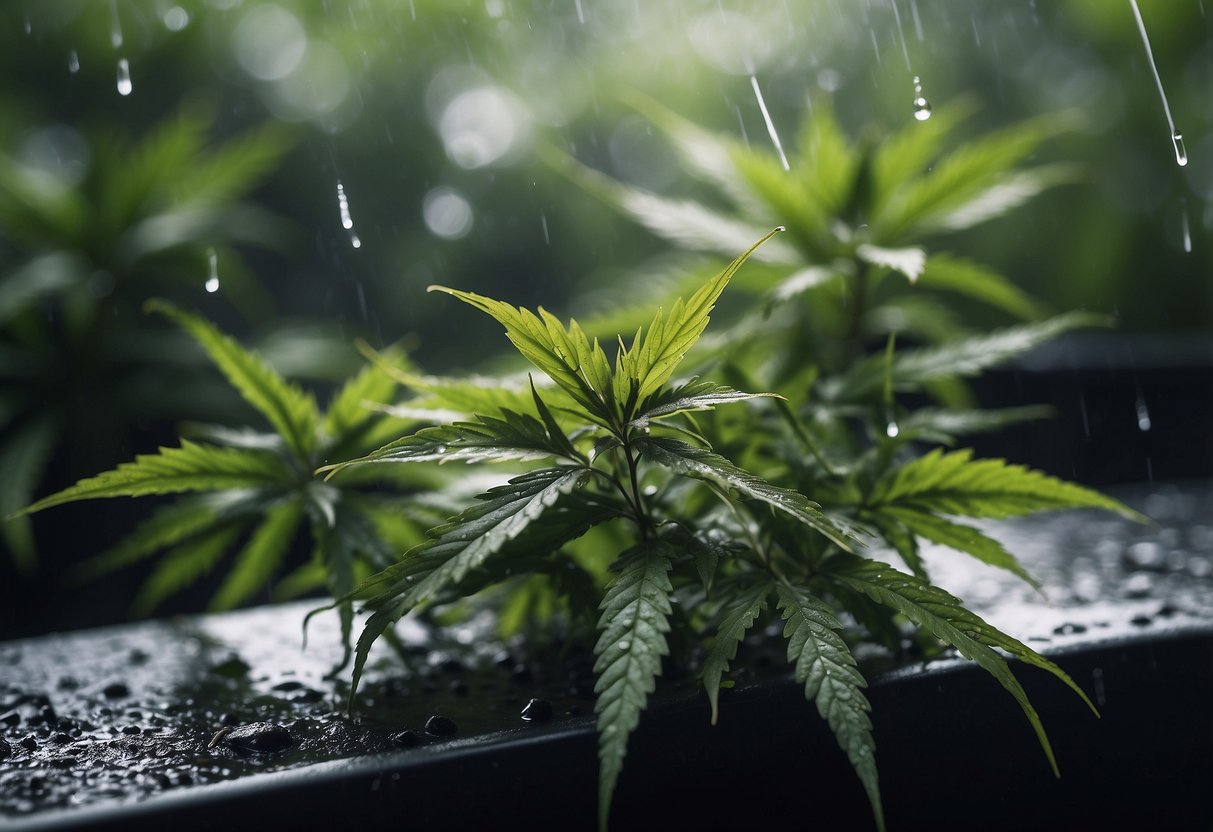
Smoking wet weed is not recommended. It is hard to light, keeps going out, and tastes harsh.
Drying Methods
- Paper Towel Technique: Lay your weed on paper towels in a dry room.
- Hang Dry: Hang it in a dark, well-ventilated place for several days.
- Rice Method: Place weed in a jar of rice. This is slow and uneven, so check it often.
- Paper Bag: Put the weed in a paper bag in a dry, dark spot.
Avoid Quick Drying Methods
- Microwave: Heats unevenly, damages the bud, and can scorch it.
- Oven: Can burn it and drives off aroma compounds.
- Fan: Fine for moving air in the room, but don't point it straight at the buds.
Effects on Quality
Wet weed produces harsh smoke. Proper drying and curing improve the flavor. Licensed growers and retailers dry cannabis before selling it, so the simplest fix is to buy properly dried flower. If your weed gets wet, dry it slowly first.
Wet Weed Facts
Wet weed is cannabis that hasn't been properly dried and cured after harvest, or flower that got damp later. Here's how it differs from dry cannabis and what risks come with smoking it.
Differences Between Wet and Dry Cannabis
Wet weed holds moisture, so it is heavier, smells different, and feels spongy or sticky.
Dry cannabis is lighter, has a stronger aroma thanks to terpenes, and breaks up more easily.
Key Differences:
- Moisture Content: Wet weed is moist; dry cannabis is not.
- Weight: Wet weed is heavier.
- Aroma: Wet weed can smell grassy or moldy, unlike the rich scent of dry weed.
Oregon State University Extension notes that drying cannabis flowers lowers the chance of unwanted microbial growth during storage, and that high storage temperatures can reduce some cannabinoids.
Risks of Smoking Wet Weed
The biggest risk is mold. Moisture gives mold a chance to grow, and inhaling it can irritate your airways.
Health Risks:
- Mold Growth: Damp conditions favor mold. Smoking moldy weed can lead to respiratory problems, and people with weakened immune systems, asthma, or allergies face higher risks.
- Irritation: Wet weed burns unevenly and makes harsh smoke that irritates your throat.
Even well-dried cannabis isn't harmless to smoke. The National Institute on Drug Abuse notes that smoking cannabis can harm lung tissue and that long-term smoking is linked to chronic bronchitis.
If you see fuzz, white or gray spots, or smell mildew, throw it out. Drying moldy weed does not make it safe.
Effective Drying Techniques
Slow drying is the safest way to fix wet weed. Here are the common methods and what to watch for.
Traditional Drying Methods
-
Hanging Method:
- Hang the branches upside down in a dark place.
- Keep the space well-ventilated.
-
Rack Method:
- Place buds on a drying rack.
- Ensure the area is dark and well-ventilated.
-
Paper Towel Technique:
- Lay your wet weed on paper towels.
- Place another paper towel over the top.
- Replace towels regularly to prevent mold.
Considerations:
- Oregon State University Extension recommends slow drying in a dark, well-ventilated room at about 64 to 70°F (18 to 21°C) and 50 to 55% relative humidity.
- Avoid direct sunlight and heat.
- Slow drying usually takes about a week or longer, depending on bud size and how wet it is.
Alternative Drying Solutions
-
Rice Method:
- Bury buds in dry rice.
- Check often; it removes moisture slowly and unevenly.
-
Paper Bag Method:
- Place buds in a paper bag.
- Keep the bag in a dark, dry area.
- Shake the bag gently every day to promote air circulation.
-
Oven Drying (not recommended):
- Oven heat dries buds unevenly, drives off aroma compounds, and can scorch them.
- Heating cannabis in an oven can also fill your kitchen with smoke or odor. Air drying is safer.
-
Microwave Drying (not recommended):
- Microwaves heat unevenly and can scorch buds in seconds.
- Use one of the air-drying methods instead.
-
Fan Method:
- Use a fan to increase air circulation around hanging or laid-out buds.
- Avoid pointing the fan directly at the weed.
Caution:
- Monitor closely to prevent over-drying.
- Once dry, store buds in an airtight jar in a cool, dark place. Humidity packs can help keep moisture steady.
Frequently Asked Questions
Here are quick answers on how to spot damp weed and the health concerns.
What are the risks of smoking damp weed?
Smoking damp weed makes harsh smoke that can irritate your throat and lungs. Damp weed is also more likely to grow mold and bacteria, which can be harmful to inhale.
How can I tell if my weed is too moist?
Bend a small stem. If it bends instead of snapping, the bud is likely still too wet. Buds that feel spongy, won't stay lit, or hiss and steam when lit are also too moist.
What is the right moisture level for storing cannabis?
Oregon State University Extension suggests long-term storage in a cool, dry place, around 64°F (18°C) with 45 to 55% relative humidity. Many consumers use humidity packs in airtight jars to hold moisture steady.
How does water content affect the potency of weed?
Water adds weight, so wet weed has less cannabinoid content per gram. It also burns unevenly, which wastes some of the bud.
Can smoking water-damaged weed lead to health issues?
Yes. Water-damaged weed can grow mold, and inhaling mold can cause respiratory problems and worsen allergies and asthma. If it looks or smells moldy, throw it out.
Sources
- Post-harvest processing of hemp flowers, Oregon State University Extension Service
- Cannabis (Marijuana), National Institute on Drug Abuse