Kratom Strains Explained: Red, Green, and White Vein
Contents
If you’ve spent any time learning about cannabis, you know that sellers sort products into strains. Kratom has its own labeling system, and the label you’ll see most is vein color: red, green or white.
This guide explains what those labels mean, what users report about each, and how little of it has been tested by science.
Safety note: Kratom is not approved by the FDA for any use, and the FDA has warned consumers not to use kratom because of the risk of serious adverse events, including liver toxicity, seizures and substance use disorder. It’s legal in many parts of the US but banned in some states and cities, so check your local law. Talk to a doctor before using it, especially if you take other medicines.
What Is Kratom and Why Does Vein Color Matter?
Kratom comes from the leaves of Mitragyna speciosa, a tree native to countries like Indonesia, Thailand, and Malaysia. The leaves contain alkaloids, mainly mitragynine. According to NIDA, the body breaks mitragynine down into 7-hydroxymitragynine (7-OH), and kratom can produce both opioid-like and stimulant-like effects.
Vein color refers to the color of the central vein in the leaf. Vendors say it reflects leaf maturity and drying method, and that each color has a different alkaloid balance. NIDA’s kratom overview doesn’t cover vein colors, and there’s little published research comparing them.
Think of it like indica and sativa labels on cannabis: a rough guide that sellers use, not a guarantee of how a product will feel. If you are already familiar with how CBD vs kratom differ as botanicals, vein classification is the natural next layer to explore.
If you buy kratom, choose a vendor that publishes third-party lab tests for each batch. NIDA notes that kratom products may contain harmful contaminants such as heavy metals and bacteria. Browsing a catalog of premium kratom for every preference helps you compare strains side by side before committing to one.
Red Vein Kratom
Red vein is one of the most common kratom categories on the market.
Vendors say red leaves are harvested at full maturity. Users often describe red vein kratom as relaxing, but that comes from user reports, not controlled studies.
Common red vein names include Red Bali, Red Borneo and Red Maeng Da. These are trade names, and products with the same name can differ between vendors and batches.
Who Reaches for Red Vein
Users who want relaxation rather than focus tend to pick red vein, often in the evening. Relaxing or sedating effects mean you shouldn’t drive or operate machinery after taking it.
Green Vein Kratom
Green vein is sold as the middle ground between red and white. Vendors say the leaves are harvested between the two.
Users often describe it as a mix of mild energy and calm, and many say they prefer it during the day. Again, these are user reports rather than tested effects.
Green Maeng Da and Green Borneo are common green vein names.
Who Reaches for Green Vein
Users who want to stay functional without feeling overstimulated often pick green vein. If you’re new to kratom, the safest choice is to talk to a doctor first, given the FDA’s warning.
White Vein Kratom
Vendors say white vein leaves are harvested earliest. Users often describe white vein as more energizing.
Some compare it to coffee, but kratom is not a caffeine substitute. NIDA lists side effects such as nausea, constipation, dizziness and drowsiness, and regular use can lead to withdrawal symptoms when you stop.
White Maeng Da and White Borneo are common white vein names.
Who Reaches for White Vein
Users who want stimulation rather than relaxation tend to pick white vein, usually earlier in the day.
Gold and Yellow Vein: The Bonus Categories
Beyond the three main vein types, you’ll also see gold and yellow kratom. Vendors usually say these are made with a longer or different drying process rather than from a different leaf.
Gold is often described as somewhere between red and green, and yellow as similar with a brighter quality. These descriptions come from vendors and users, not studies.
Kratom Formats: Powder, Capsules, and Extracts
Choosing your vein type is only half the decision. You also need to pick a format that fits your routine.
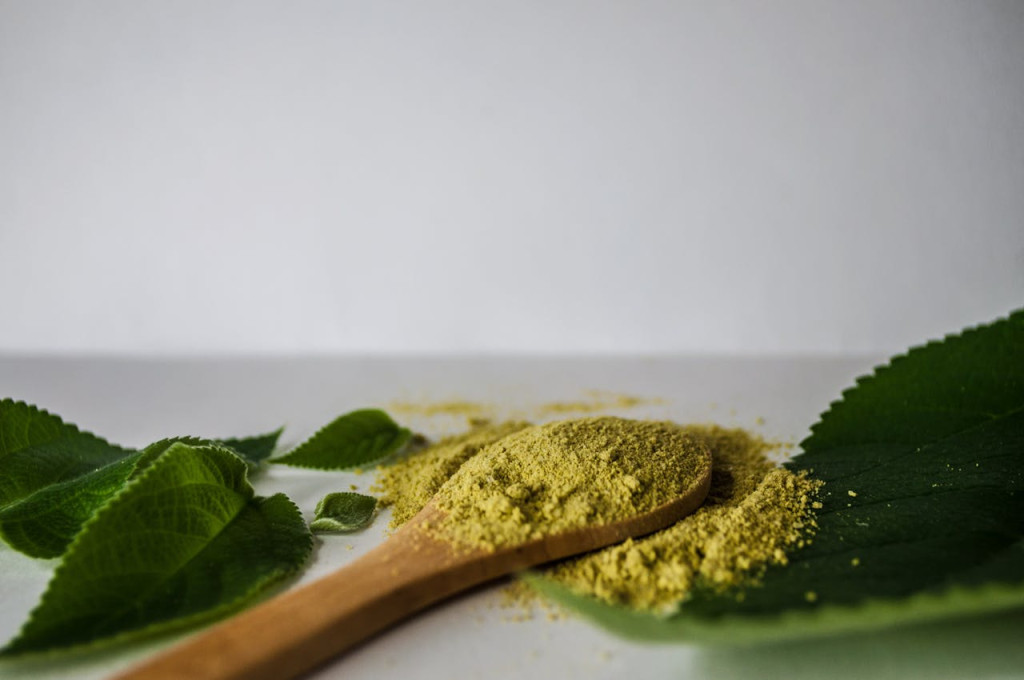
Kratom powder is the most flexible format. It’s usually mixed into water or juice, and it takes more effort to measure.
Capsules come pre-measured, so there’s no scooping or mixing.
Extracts are more concentrated than plain leaf powder, so a small amount is much stronger. Be especially careful with products that list added or concentrated 7-OH: the FDA says 7-OH products have not been proven safe for any use and should be avoided.
Gummies and tablets are also sold. Keep every kratom product away from children and pets.
Matching the Strain to the Moment
Vendors match vein colors to the time of day: red for winding down, green for the middle of the day, white for mornings. That’s a marketing shorthand built on user reports, not a tested rule.
The American Kratom Association recommends buying from vendors that follow Good Manufacturing Practice standards. That helps with quality control, but it doesn’t make kratom safe or FDA approved.
Don’t mix kratom with alcohol, opioids or other sedatives, and stop and get medical help if you have serious side effects. If someone is unresponsive, call 911; for other concerns, the Poison Help Line is 1-800-222-1222.
Sources
- Kratom, National Institute on Drug Abuse
- Products Containing 7-OH Can Cause Serious Harm, U.S. Food and Drug Administration