
How to Get Rid of Weed Smell in Apartment From Neighbors

Contents
- Understanding the Problem
- The Persistence of Cannabis Smell
- Secondhand Smoke Concerns
- Legal and Ethical Considerations
- Impact on Your Living Space
- Effective Communication
- Sealing and Ventilation Strategies
- Odor Absorption and Cleaning Techniques
- Natural Odor Absorbers
- Cleaning for Odor Elimination
- Personalizing Your Living Environment
- Air Fresheners
- Aromatherapy and Essential Oils
- Air Purifying Plants
- Scented Candles and Incense
- Conclusion
- FAQs
- How long does it take to get rid of the smell of marijuana smoke from an apartment?
- Will weatherproof curtains and door draft blockers prevent weed odor?
- Can neighbors smell weed from inside?
- Sources
Your apartment should be a place to relax. When a neighbor's weed smoke drifts in through walls, vents or gaps, it can be hard to escape.
Here is how to get rid of weed smell in your apartment from neighbors: talk to them, block the paths the smoke takes, clean the air, and bring in your landlord if needed.
Understanding the Problem
Cannabis smoke can linger in the air and cling to fabrics and surfaces.
For many people it's more than a nuisance. It affects comfort, sleep and, for some, health.
The Persistence of Cannabis Smell
Smoke, including smoke from Reggie weed, carries many odor compounds that can linger.
Smoke contains volatile organic compounds (VOCs) and fine particles. Odors can settle into fabrics and soft surfaces, which is why the smell lingers.
Secondhand Smoke Concerns
Even if you don't smoke weed, secondhand smoke contains many of the same toxic chemicals as tobacco smoke and can affect your health, especially if you have asthma or other breathing problems.
Reducing the smell also reduces how much smoke you breathe in.
Legal and Ethical Considerations
Marijuana laws vary widely. Adult use is legal in some states and not in others, and marijuana remains a Schedule I drug under US federal law outside narrow exceptions.
Your lease and building rules matter too. Many leases ban smoking, and HUD's public housing guidance says marijuana, whether medical or otherwise, is a controlled substance subject to federal restrictions in public housing.
Approaching your neighbor with respect usually works better than starting with a complaint.
Impact on Your Living Space
The smell can make it hard to relax at home. Knowing where it comes from, and which fixes actually work, helps you deal with it calmly.
Read Also: Why Does My Poop Smell Like Weed
Effective Communication
A calm, friendly conversation is often the quickest fix.
Pick a good time, and keep it short and specific.
Use "I" statements to explain the problem without sounding accusatory.
Explain how the smell affects you, for example that it comes through the bathroom vent at night.
Listen to their side and suggest simple fixes, such as smoking outside, away from shared vents, or using a door sweep.
If the problem continues, talk to your landlord or property manager. Many leases include smoking rules they can enforce.
Escalating to formal complaints should be a last resort.
Sealing and Ventilation Strategies
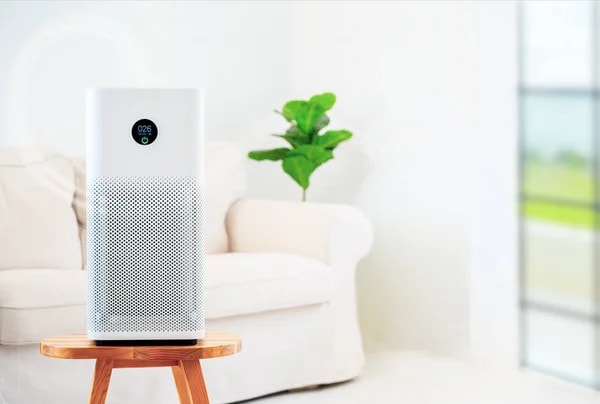
Photo from Deposit Photos
You can also block the smoke's path into your own apartment.
Find likely entry points, such as gaps around doors, windows, outlets, pipes and shared vents. Seal them with weatherstripping, caulk or door sweeps.
Draft stoppers at the base of doors can also slow the movement of air and odor between units.
Exhaust fans in your kitchen and bathroom can help, but be careful. Running them hard can pull air, and smoke, in from neighboring units through gaps. Seal gaps first, then ventilate.
A portable air cleaner can help with odor. The EPA's Guide to Air Cleaners in the Home says activated carbon filters can be effective at filtering gases if the filter uses a large amount of carbon, and may help reduce odors.
The EPA also notes that no air cleaner removes all pollutants. Avoid ozone generators: ozone is a lung irritant, and no federal agency has approved these devices for occupied spaces.
When the outdoor air is clean, opening windows brings in fresh air and clears lingering odor.
Odor Absorption and Cleaning Techniques
Absorbing and cleaning odors helps with smell that has already settled in.
Natural Odor Absorbers

Photo from Deposit Photos
Open containers of baking soda can absorb some odor in small spaces.
Bags or bowls of activated charcoal can also absorb odors where smell collects.
Bowls of white vinegar are another cheap option. The vinegar smell fades as it dries.
These help with lingering smell, but they won't stop new smoke from coming in.
Cleaning for Odor Elimination
Regular cleaning removes odor that settles into soft surfaces. Focus on carpets, curtains, upholstery and walls near entry points.
Sprinkle baking soda on carpets and upholstery, let it sit, then vacuum thoroughly.
Wash curtains and bedding, and wipe down hard surfaces.
Stick to a regular cleaning schedule and replace absorbers as they stop working.
Personalizing Your Living Environment
You can also make your space more pleasant while you solve the problem.
Air Fresheners
Air fresheners mask odor rather than remove it. Many also release VOCs, so use them sparingly and choose mild scents.
Aromatherapy and Essential Oils
Essential oil diffusers can mask lingering smell. Like air fresheners, they add their own compounds to the air, and some oils can bother people with asthma or be risky for pets.
Air Purifying Plants

Photo from Deposit Photos
So-called air-purifying indoor plants such as snake plants, peace lilies and spider plants make a room feel fresher.
Don't count on houseplants to remove smoke. Sealing gaps and a good air cleaner are far more reliable.
Scented Candles and Incense
Candles and incense only cover odor, and burning them adds smoke and particles to your indoor air. Use them sparingly, or skip them if anyone in your home has asthma.
Conclusion
Neighbors who smoke marijuana can be a headache. Start with a polite conversation.
If that doesn't work, seal the gaps, use an air cleaner with a substantial carbon filter, clean soft surfaces, and involve your landlord if the smoke keeps coming in.
FAQs
How long does it take to get rid of the smell of marijuana smoke from an apartment?
Fresh smoke usually clears in hours with ventilation, but smell that has settled into fabrics can take days of cleaning. If smoke keeps coming in, you need to block the source.
Will weatherproof curtains and door draft blockers prevent weed odor?
Door sweeps, draft blockers and sealed gaps reduce how much smoke gets in. They work best combined with an air cleaner and a conversation with your neighbor.
Can neighbors smell weed from inside?
Yes. Smoke can travel through gaps, shared vents and hallways, especially in older buildings with poor seals.
Sources
- Guide to Air Cleaners in the Home, US EPA
- Public Housing Occupancy Guidebook: Lease Requirements, U.S. Department of Housing and Urban Development
- Schedules of Controlled Substances: Rescheduling of FDA Approved Products Containing Marijuana From Schedule I to Schedule III, Federal Register (U.S. Department of Justice, DEA)